Geopolitics & Crisis Analysis

Chokepoint risk, war-risk insurance, sanctions, and how shipping markets price geopolitical events. Hormuz, Red Sea, South China Sea.

5 articles
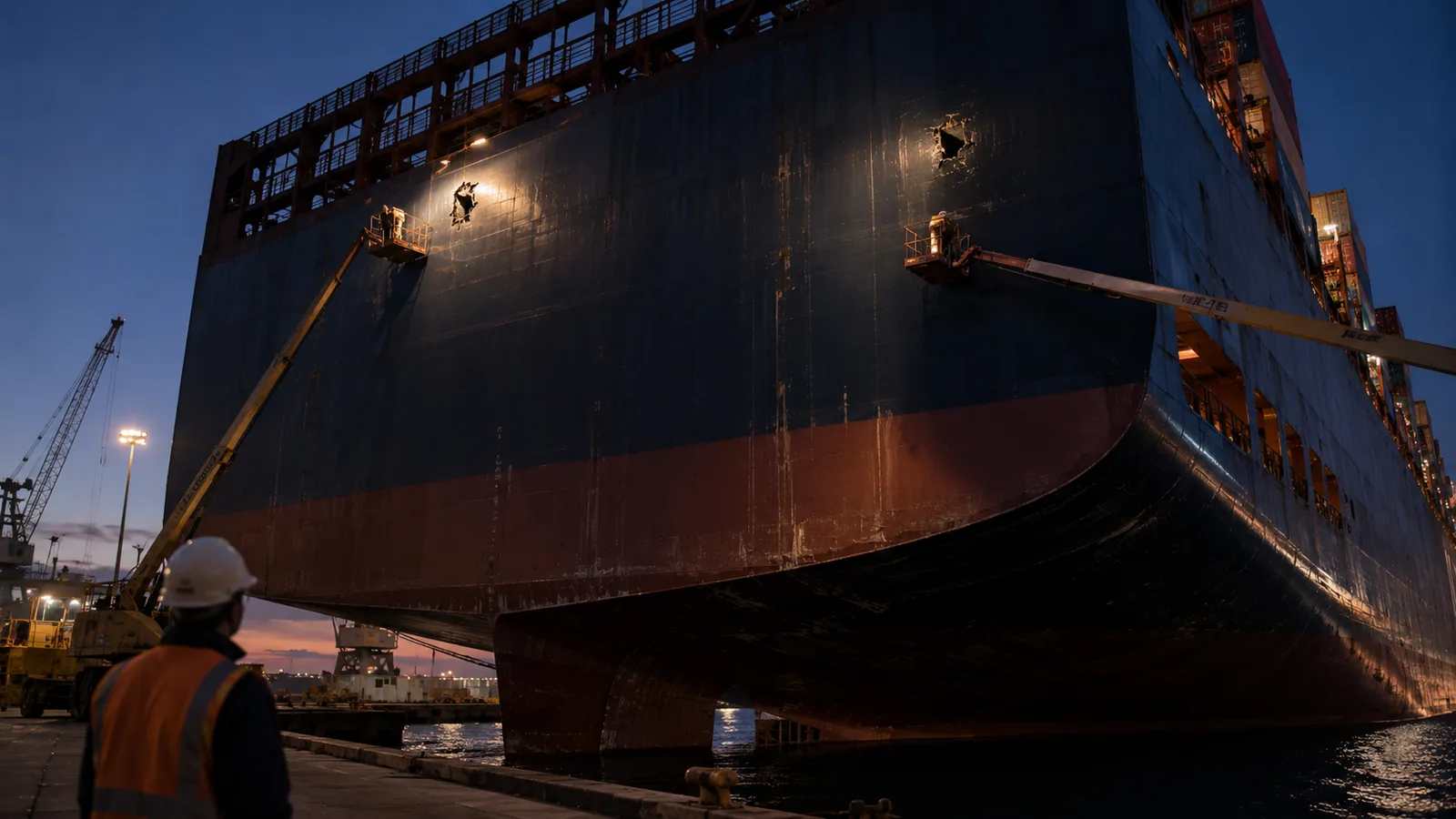
The Engineer's Verdict — Why HMM Namu's "Fire" Was Never a Fire
Geopolitics13 min

The Engineer's Verdict — Why HMM Namu's "Fire" Was Never a Fire

South Korea's May 10 finding of "unidentified airborne objects" striking the HMM Namu confirmed what marine fire statistics already implied — a newbuild ship at anchor with engines idle has an exceptionally low probability of internal engine room fire. The six days between the incident and the announcement were diplomatic time, not engineering time.

May 10, 2026
The PGSA Toll Booth — How a Hormuz Crisis Became an Institution
Geopolitics11 min

The PGSA Toll Booth — How a Hormuz Crisis Became an Institution

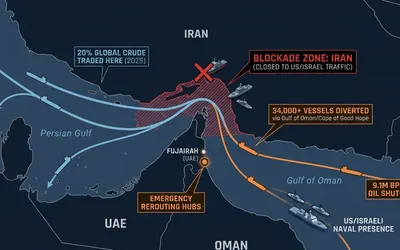
Iran's Persian Gulf Strait Authority went live on May 5, issuing transit permits and reportedly charging up to $2M per vessel. The May 6 oil reset moved one clock; the war risk market moved another. The PGSA runs on a third clock that markets have barely begun to price.

May 9, 2026
The Ceasefire That Isn't: What Brent's 7% Drop Actually Tells You
Geopolitics13 min

The Ceasefire That Isn't: What Brent's 7% Drop Actually Tells You

On May 6, Brent fell 7.4% on news of US-Iran negotiations and a Trump-paused Project Freedom. The oil market priced a ceasefire. The Lloyd's war risk market did not. Two markets, same event, different clocks — and reading the gap is where voyage planners earn margins for the next 60 days.

May 8, 2026
HMM Namu Caught Fire in Hormuz. What Korea's Real Exposure Looks Like.
Geopolitics13 min

HMM Namu Caught Fire in Hormuz. What Korea's Real Exposure Looks Like.

On May 4, 2026, a Korean-operated cargo vessel suffered an engine room fire in the Strait of Hormuz. The cause is officially under review. The HMM Namu incident brings Korea's structural Hormuz exposure into public view — three plausible paths for the next 60 days, and what voyage planners are adjusting now.

May 6, 2026
11 Chokepoints, 80% of Global Trade: A 2026 Risk Map for Shippers
Geopolitics13 min

11 Chokepoints, 80% of Global Trade: A 2026 Risk Map for Shippers

From Hormuz to the Bosphorus, eleven maritime pressure points carry the bulk of world trade. Here's where they stand in 2026, what's actually at risk, and which routes have alternatives — and which don't.

May 2, 2026

Run the numbers yourself

Compare Suez, Cape, Panama, and NSR routes across 420+ ports. Free, no signup.

Launch Calculator →