Maritime Insights

Expert guides on voyage planning, route optimization, and shipping industry analysis.

Maritime Insights is the analytical layer of Fairway ETA. The calculator and data hub price the next voyage; this section reads the conditions around it — why a freight rate is moving, how a regulatory cycle reshapes routing decisions, where the market and the physical fleet have drifted out of sync.

The work is organized into five categories — Geopolitics, Industry Analysis, Routes & Voyage Planning, Market Data, and Explainers. Category detail, voice notes, and editorial standards are documented at the bottom of this page.

Featured

What Is a Bill of Lading? — The One Document That Proves You Own Cargo You've Never Seen
Explainers11 min

What Is a Bill of Lading? — The One Document That Proves You Own Cargo You've Never Seen

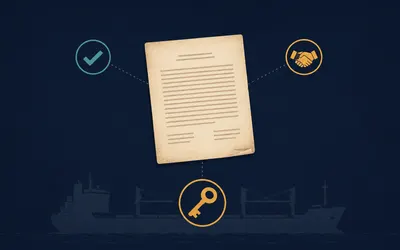
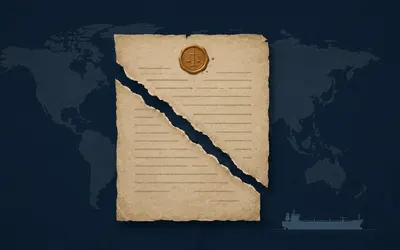
One piece of paper does three things that no other document in any other industry does simultaneously: it proves the cargo was received, it records the terms of transport, and it transfers legal ownership of goods that may still be at sea. The bill of lading has done this since the fourteenth century. The electronic replacement has gone from 1% adoption in 2021 to 11% in 2025 — and the paper original is still the default.

June 10, 2026
The Yards Cannot Build Two Things at Once — Why June's Order Burst Is a Zero-Sum Game Between Sectors
Industry10 min

The Yards Cannot Build Two Things at Once — Why June's Order Burst Is a Zero-Sum Game Between Sectors

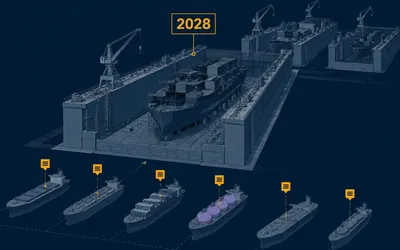
In the first week of June, four billion dollars in newbuild orders crossed the desks of yards in China and South Korea. Every slot taken was a slot some other sector cannot have. The global market reads the orderbook as a supply forecast. The yards read it as a production calendar — and the calendar is full until 2028.

June 8, 2026
Voyage, Time, or Bareboat? — The Three Ways a Ship Gets Hired, and Why the Difference Decides Who Pays for Fuel
Explainers12 min

Voyage, Time, or Bareboat? — The Three Ways a Ship Gets Hired, and Why the Difference Decides Who Pays for Fuel

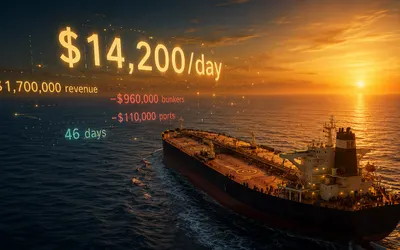
The same Capesize bulk carrier can earn $3 million on a single voyage, $50 million over five years on a time charter, or $150 million across fifteen years on a bareboat financing structure. Here's how voyage, time, and bareboat charters actually work — and why one private document still sits at the centre of almost every commercial shipping decision.

June 6, 2026
Tanker Sizes Explained — Aframax, Suezmax, VLCC, and ULCC
Explainers8 min

Tanker Sizes Explained — Aframax, Suezmax, VLCC, and ULCC

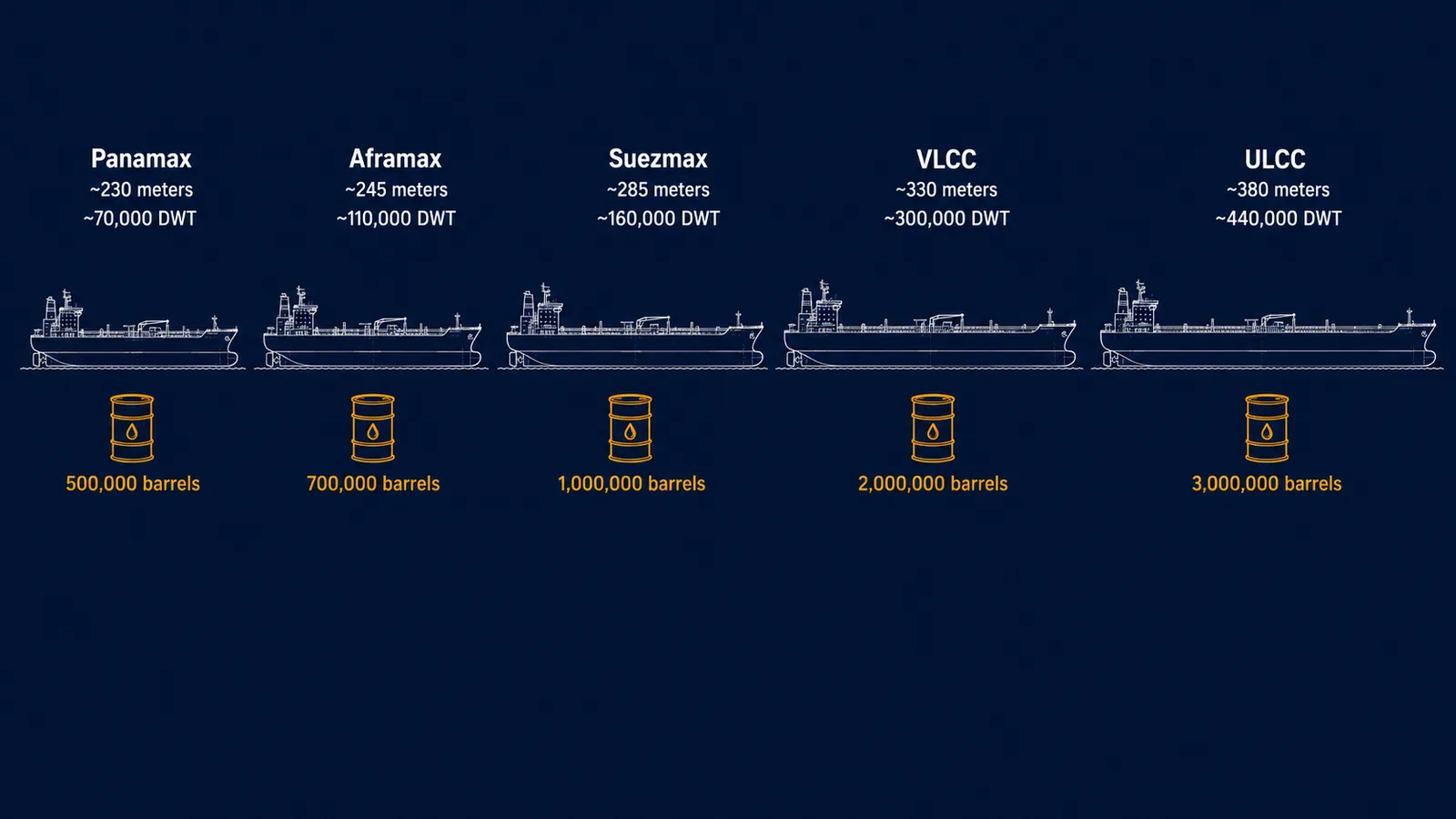
A tanker can be longer than the Eiffel Tower is tall and carry two million barrels of oil, yet the industry refers to it with four letters: VLCC. A plain guide to the size labels that quietly organize the entire global tanker fleet — what each class measures, why each name exists, and what each one tells you when it shows up in a headline.

May 20, 2026
Ten Shipping Routes That Don't Make Sense — Until You Do the Math
Explainers11 min

Ten Shipping Routes That Don't Make Sense — Until You Do the Math

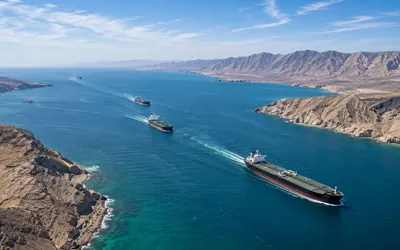
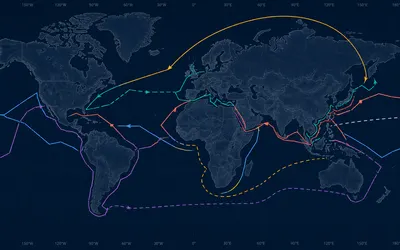
The world's largest ships can't use the world's busiest strait. A shortcut has a volcano in the middle. The straight line on the chart isn't the shortest distance. Ten routes that look irrational on a map — and the constraint that makes each one the only rational choice.

June 9, 2026
Classification Societies Explained — What They Actually Do and Who the 12 IACS Members Are
Explainers9 min

Classification Societies Explained — What They Actually Do and Who the 12 IACS Members Are

Class certificates appear on every vessel document but rarely get explained. A working tour of what a classification society does, why losing class effectively grounds a ship, who the 12 IACS members are, and how class differs from flag state and P&I.

June 1, 2026

All Insights

46 articles
What Is a Bill of Lading? — The One Document That Proves You Own Cargo You've Never Seen
Explainers11 min·June 10, 2026

What Is a Bill of Lading? — The One Document That Proves You Own Cargo You've Never Seen

One piece of paper does three things that no other document in any other industry does simultaneously: it proves the cargo was received, it records the terms of transport, and it transfers legal ownership of goods that may still be at sea. The bill of lading has done this since the fourteenth century. The electronic replacement has gone from 1% adoption in 2021 to 11% in 2025 — and the paper original is still the default.

Ten Shipping Routes That Don't Make Sense — Until You Do the Math
Explainers11 min·June 9, 2026

Ten Shipping Routes That Don't Make Sense — Until You Do the Math

The world's largest ships can't use the world's busiest strait. A shortcut has a volcano in the middle. The straight line on the chart isn't the shortest distance. Ten routes that look irrational on a map — and the constraint that makes each one the only rational choice.

The Yards Cannot Build Two Things at Once — Why June's Order Burst Is a Zero-Sum Game Between Sectors
Industry10 min·June 8, 2026

The Yards Cannot Build Two Things at Once — Why June's Order Burst Is a Zero-Sum Game Between Sectors

In the first week of June, four billion dollars in newbuild orders crossed the desks of yards in China and South Korea. Every slot taken was a slot some other sector cannot have. The global market reads the orderbook as a supply forecast. The yards read it as a production calendar — and the calendar is full until 2028.

Voyage, Time, or Bareboat? — The Three Ways a Ship Gets Hired, and Why the Difference Decides Who Pays for Fuel
Explainers12 min·June 6, 2026

Voyage, Time, or Bareboat? — The Three Ways a Ship Gets Hired, and Why the Difference Decides Who Pays for Fuel

The same Capesize bulk carrier can earn $3 million on a single voyage, $50 million over five years on a time charter, or $150 million across fifteen years on a bareboat financing structure. Here's how voyage, time, and bareboat charters actually work — and why one private document still sits at the centre of almost every commercial shipping decision.

What Is Worldscale? — Why a Tanker Chartered at WS 280 Is Not Three Times More Expensive Than One at WS 100
Explainers11 min·June 5, 2026

What Is Worldscale? — Why a Tanker Chartered at WS 280 Is Not Three Times More Expensive Than One at WS 100

Tanker freight rates are quoted in a strange unit called Worldscale. WS 100 isn't a price. WS 280 isn't "280 dollars" or "280% of the going rate." The system was designed in 1952 to solve a problem the spot market couldn't solve on its own — and it's still in use seventy years later because the alternative is worse.

What Is the IMO? — How One Small Office in London Sets the Rules for Almost Every Ship on the Sea
Explainers11 min·June 4, 2026

What Is the IMO? — How One Small Office in London Sets the Rules for Almost Every Ship on the Sea

The International Maritime Organization has fewer than 300 staff, a two-year budget under £80 million, and governs 99% of global trade by volume. Here's how this tiny UN agency works — and why its October 2026 vote could reshape shipping the same way IMO 2020 did five years ago.

The Two Maps of Maritime Labour — Where Crews Come From, and Where They Get Stranded
Industry Analysis13 min·June 3, 2026

The Two Maps of Maritime Labour — Where Crews Come From, and Where They Get Stranded

In 2025, 6,223 seafarers were abandoned across 410 ships — the worst year on record. 82% of the ships flew flags of convenience. But the crews didn't come from St. Kitts or Panama. The labour map and the liability map don't overlap, and that gap is now a commercial risk variable.

How Port Fees Decide When a Ship Actually Arrives
Voyage Planning11 min·June 1, 2026

How Port Fees Decide When a Ship Actually Arrives

A container ship docking at 02:47 is not random. It is the cheapest hour the port could give it that day. Inside the four clocks — berth, fairway, nautical services, and the queue rule older than container shipping — that decide when a ship actually arrives, and the 9% of voyage time the industry has been trying to recover since 2019.

Classification Societies Explained — What They Actually Do and Who the 12 IACS Members Are
Explainers9 min·June 1, 2026

Classification Societies Explained — What They Actually Do and Who the 12 IACS Members Are

Class certificates appear on every vessel document but rarely get explained. A working tour of what a classification society does, why losing class effectively grounds a ship, who the 12 IACS members are, and how class differs from flag state and P&I.

EU ETS for Shipping Explained — What 100% Phase-In Actually Costs
Explainers10 min·May 30, 2026

EU ETS for Shipping Explained — What 100% Phase-In Actually Costs

For the first time, 2026 emissions count fully under Europe's carbon market — and methane and nitrous oxide are inside the scope. Here's what that actually means for a single Asia–Europe voyage: how the cap-and-trade system works, why an EU-to-non-EU voyage is taxed at 50%, what a 10,000 TEU container ship really pays in EU ETS bills (€250,000–€300,000 per Busan-Rotterdam voyage), why container carriers are accused of making €60,000 in windfall margin per voyage on top of the actual cost, and how the UK port arbitrage works. Everything operators trading into Europe need to know about the regulation that just doubled the carbon line on every EU freight quote.

Ice Class Explained — What 1A Super, PC6, and Arc7 Actually Mean
Explainers9 min·May 29, 2026

Ice Class Explained — What 1A Super, PC6, and Arc7 Actually Mean

Ice class looks like a single rating. It's actually three competing systems built for different seas — Finnish-Swedish for the Baltic, IACS Polar Class for the global polar regions, Russian Arc for the Northern Sea Route. A 1A Super tanker isn't built for the Arctic. The 15 Yamal LNG carriers serving Russia's NSR are Arc7, not Polar Class. The only PC2 ship in passenger service is a French luxury cruise liner. Here's what the labels actually mean and why the differences decide whether a ship can legally enter a stretch of frozen water.

A Ship's Weight Is Five Different Numbers — And Two of Them Aren't Weight at All
Explainers8 min·May 28, 2026

A Ship's Weight Is Five Different Numbers — And Two of Them Aren't Weight at All

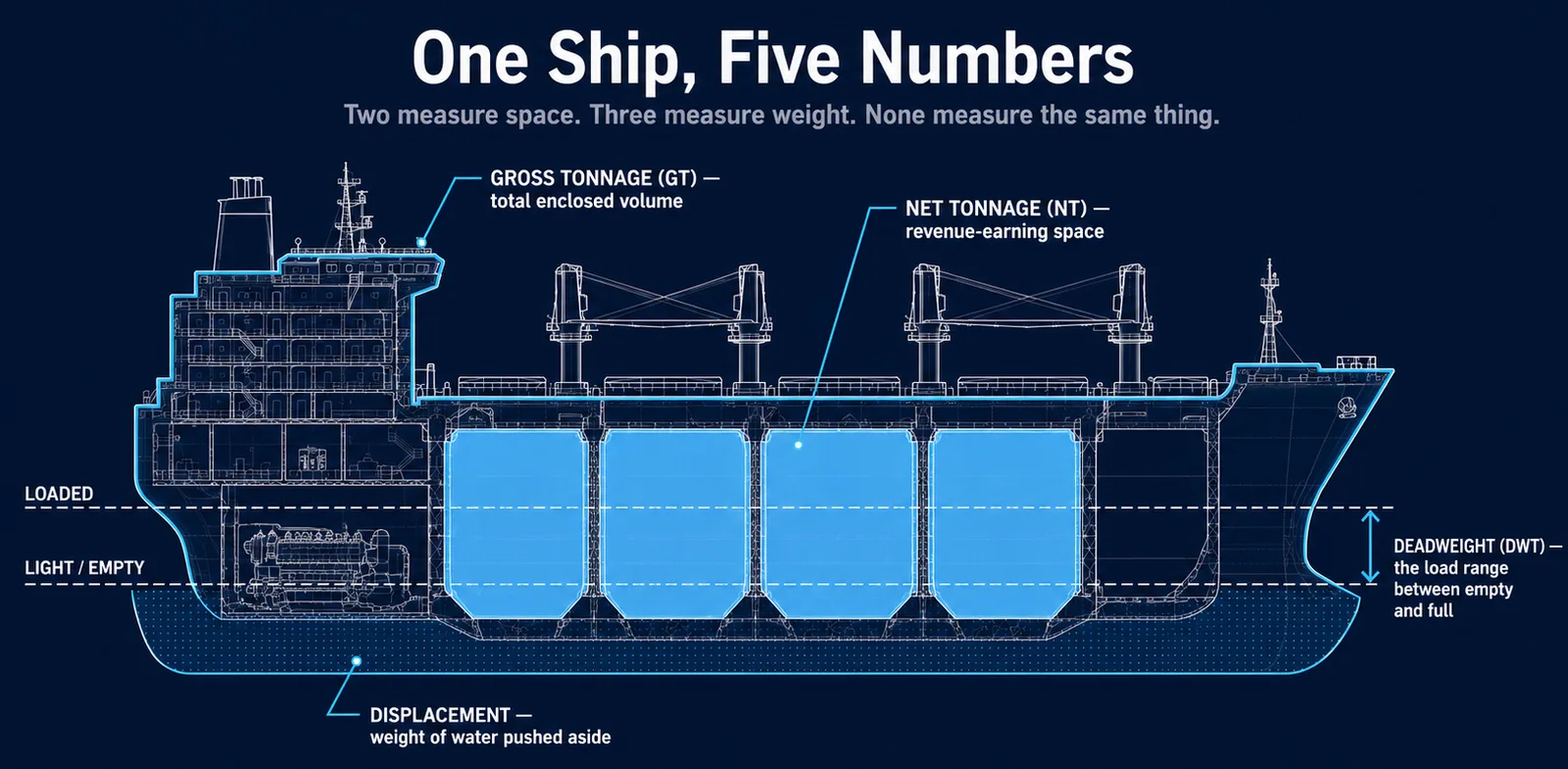
When a news report says a ship is "150,000 tonnes," it could mean five completely different things — and two of them have nothing to do with weight. A ship's tonnage is one of maritime's most confusing pieces of vocabulary, because the word "ton" got borrowed, redefined, and split into a half-dozen meanings over centuries. Here is the plain version: what each number measures, and which one matters when.

The Map Is Changing — Why Most of the North Atlantic Will Burn 0.10% Fuel by 2028
Industry Analysis10 min·May 27, 2026

The Map Is Changing — Why Most of the North Atlantic Will Burn 0.10% Fuel by 2028

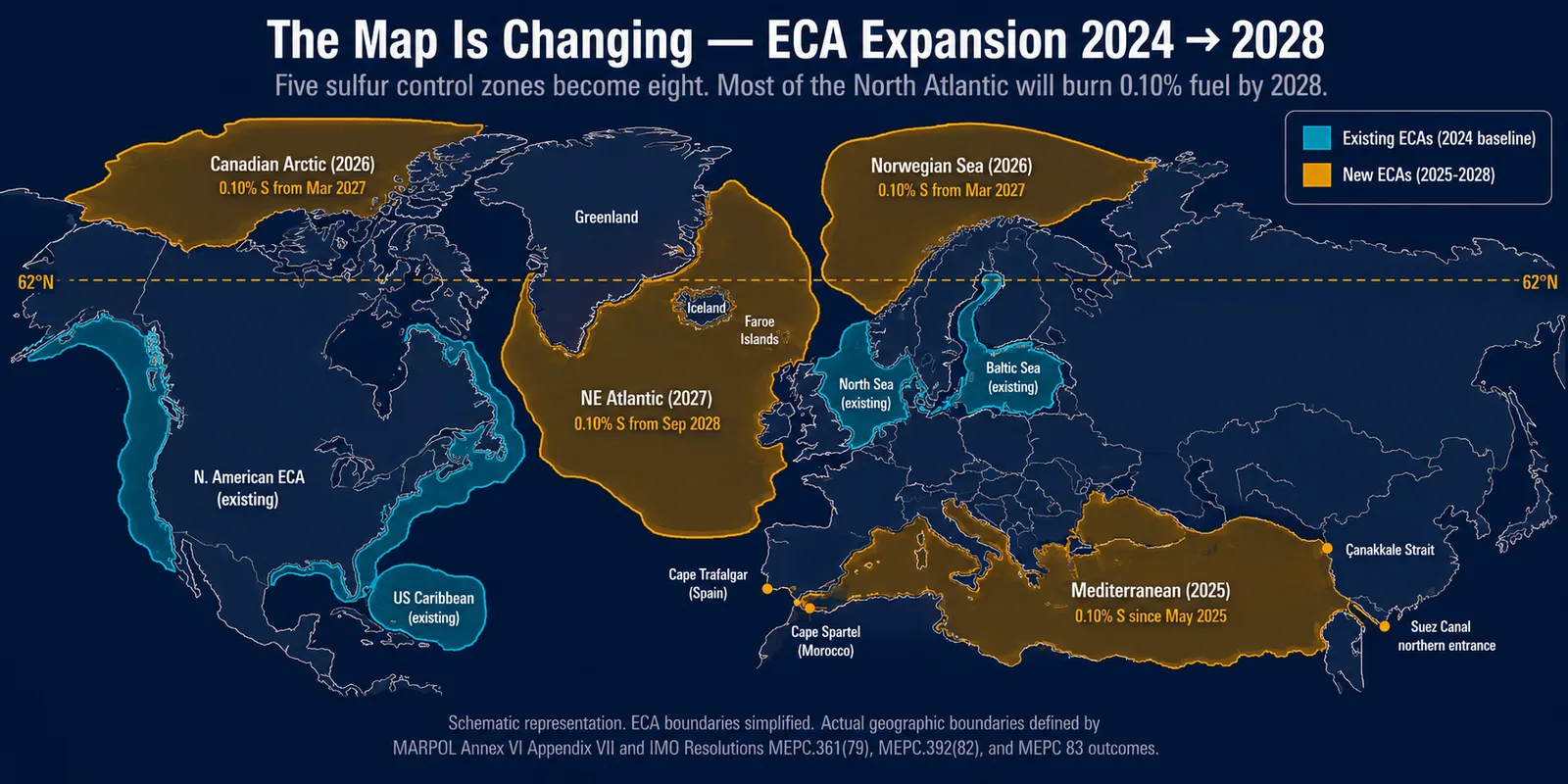
A bunker contract signed in 2024 covered four sulfur control zones. A bunker contract signed in 2028 will cover eight. The Mediterranean went live in May 2025. The Canadian Arctic and Norwegian Sea entered force in March 2026. The North-East Atlantic follows in September 2027. The IMO is drawing a new map of the world's bunker market, and the data from the first year of the Mediterranean ECA shows exactly how the fuel mix changes once a zone goes live.

Container Ships Explained — Feedermax, Panamax, ULCS, and Why They Keep Getting Bigger
Explainers9 min·May 26, 2026
Container Ships Explained — Feedermax, Panamax, ULCS, and Why They Keep Getting Bigger

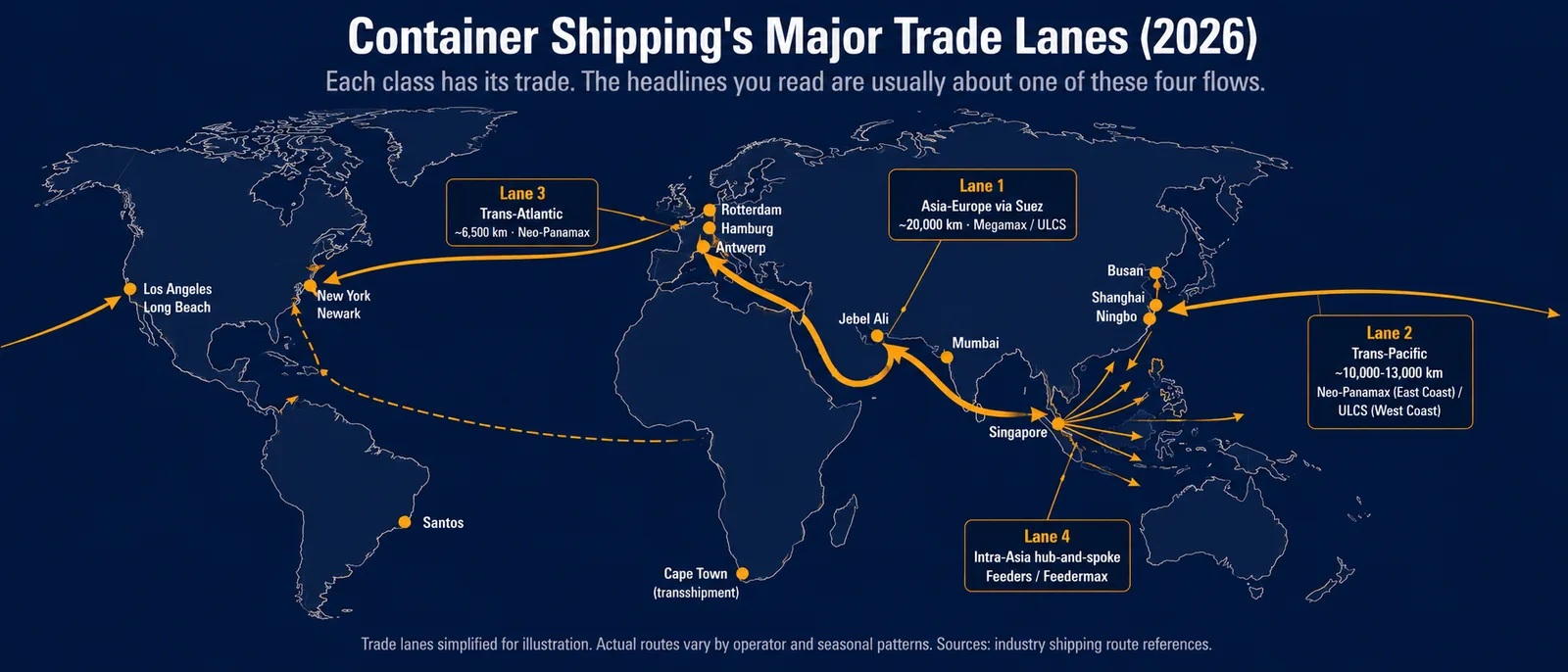
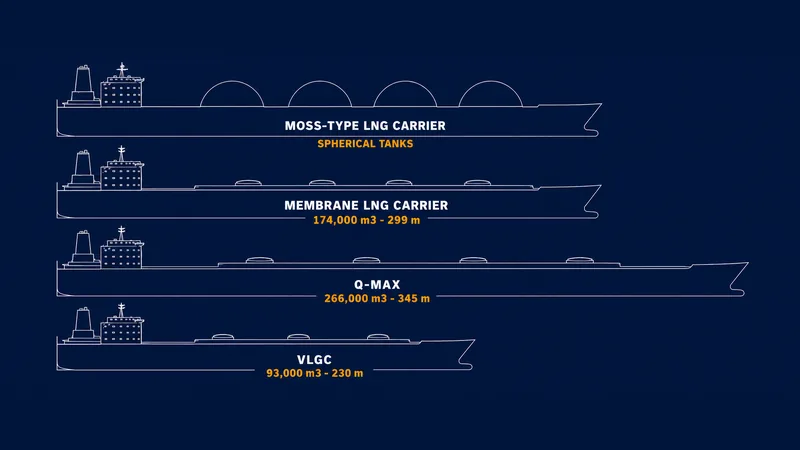
Until 1988, the largest container ship in the world carried 4,300 TEU — roughly what fits on the top deck of a modern Megamax. In the 38 years since, container ships have grown by more than five times, with each step named after a canal, a port, or a strait it broke through. A plain guide to the size labels that quietly organize 80 percent of world trade.

The Houston Pattern: Why Bunker Fuel Still Breaks Engines, Five Years After IMO 2020
Industry Analysis10 min·May 25, 2026

The Houston Pattern: Why Bunker Fuel Still Breaks Engines, Five Years After IMO 2020

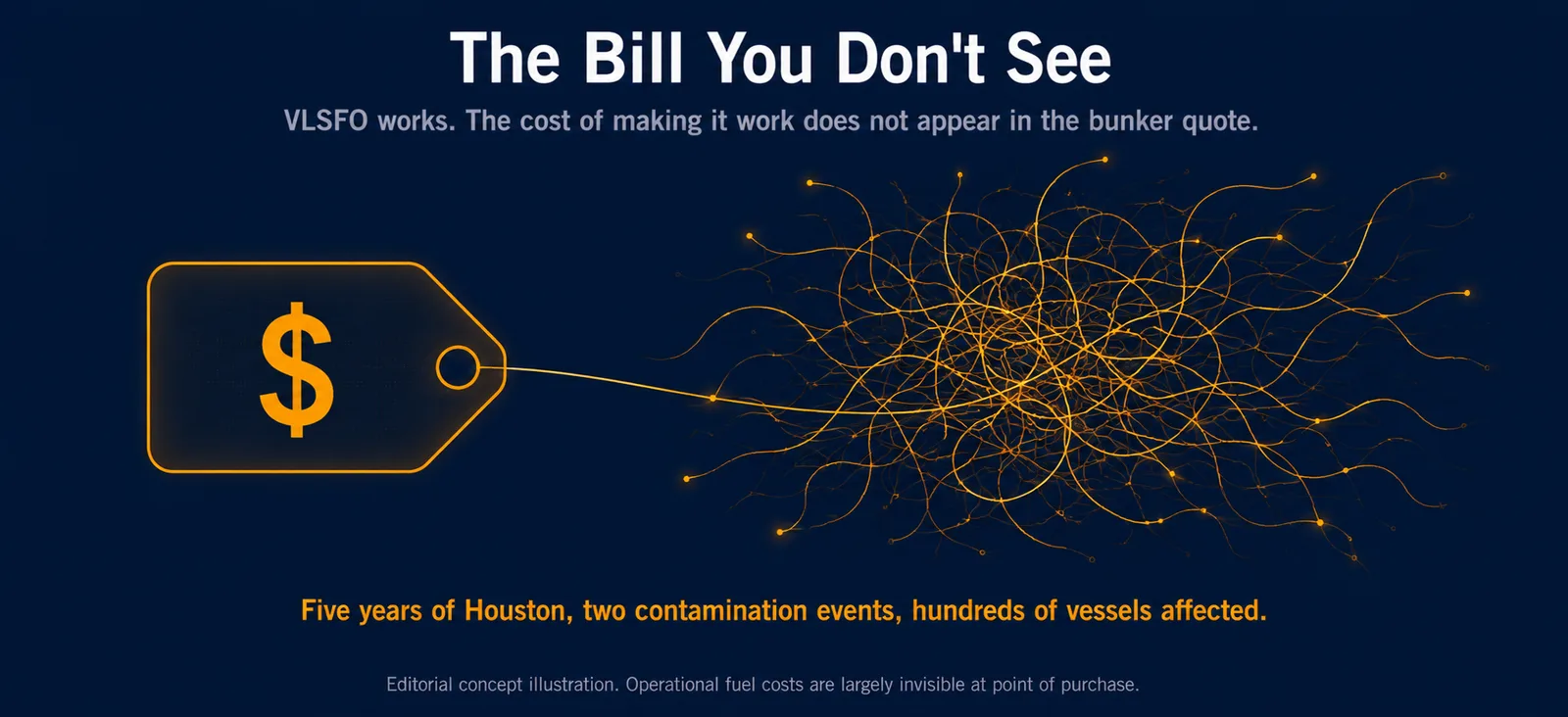
In 2018, more than 100 vessels suffered fuel pump failures from contaminated bunkers delivered through Houston — under the HSFO regime. In 2023, the same hub delivered a different contaminant in VLSFO from a single supplier, eventually affecting 32 vessels and spreading to Singapore. Five years apart, two contamination events, the same supplier-end supply chain gap. The lessons of 2018 returned in 2023, more expensively. The fuel works. The cost of making it work does not appear in the bunker price quote.

Onboard Carbon Capture (OCCS): The Technology Works. The Infrastructure Doesn't.
Industry Analysis9 min·May 24, 2026

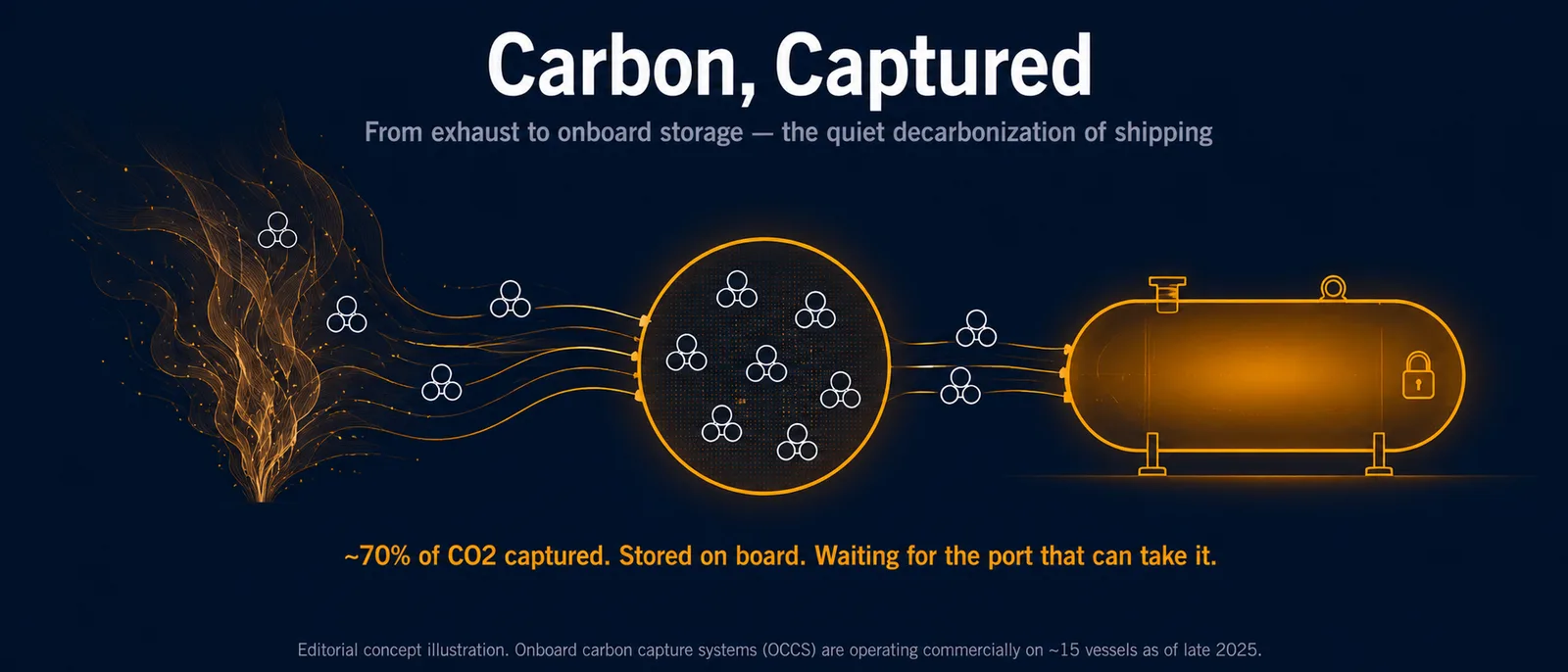
Onboard Carbon Capture (OCCS): The Technology Works. The Infrastructure Doesn't.

Onboard carbon capture has crossed from PowerPoint to commercial deployment. Wärtsilä launched its system to market in May 2025. Around fifteen vessels were operating OCCS by end-2025. The technology captures up to 70% of exhaust CO2. Cost estimates range from $769 per tonne (prototype) to €50–70 per tonne (commercial launch) — a ten-times gap that nobody has explained. The technology works. The infrastructure doesn't. That spread defines who deploys when.

The Two Clocks of Shipping — Why FBX and BDI Stopped Moving Together
Market Analysis9 min·May 23, 2026

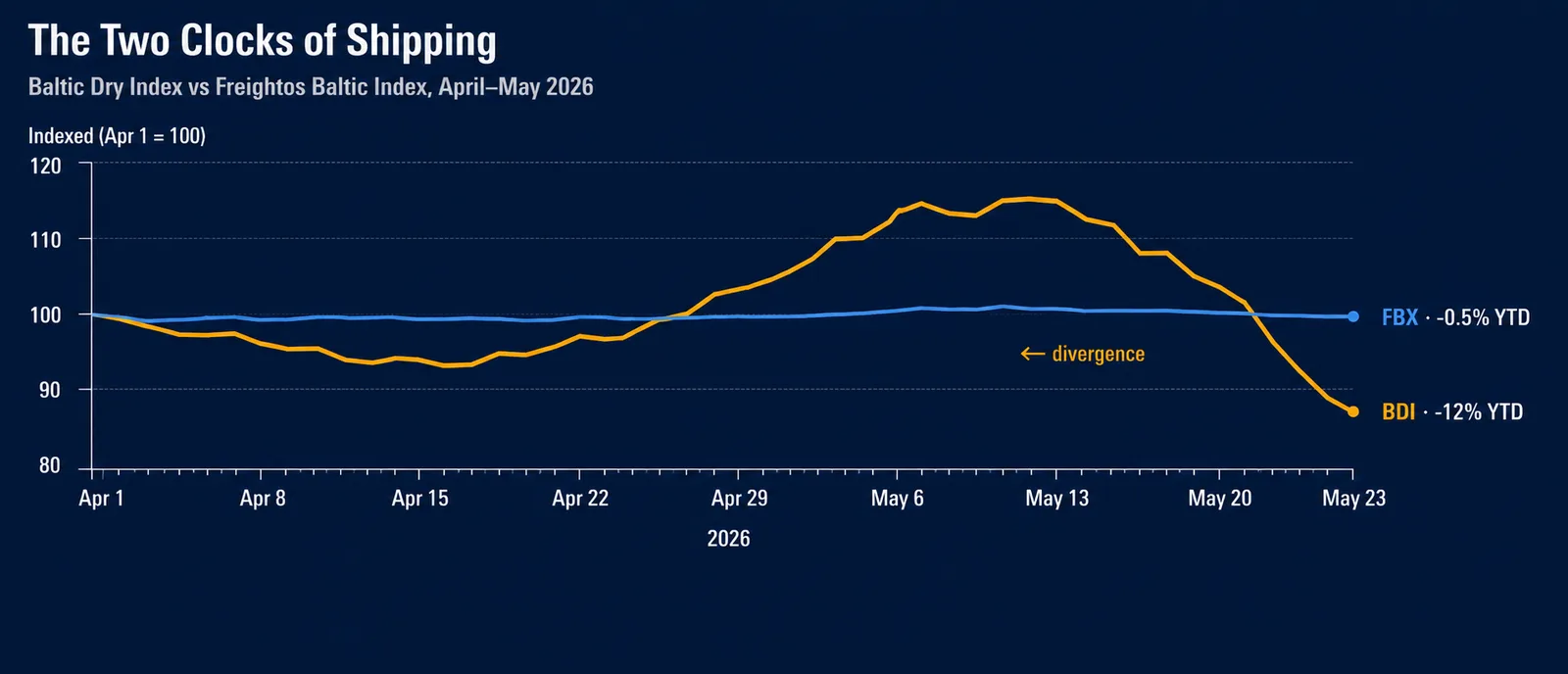
The Two Clocks of Shipping — Why FBX and BDI Stopped Moving Together

On May 22, the Baltic Dry Index fell 9% in a week. The Freightos Baltic Index — container shipping's benchmark, governed by the same Baltic Exchange — barely moved. Two indices, same exchange, two different markets. Maersk's Q1 2026 Ocean EBIT swung from +$743M to −$192M while dry bulk lurched on Hormuz peace narratives. Four freight benchmarks now run on four different clocks. The divergence isn't temporary. It's structure becoming visible.

Bulk Carrier Sizes Explained — Capesize, Panamax, Supramax, and the Rest
Explainers8 min·May 22, 2026

Bulk Carrier Sizes Explained — Capesize, Panamax, Supramax, and the Rest

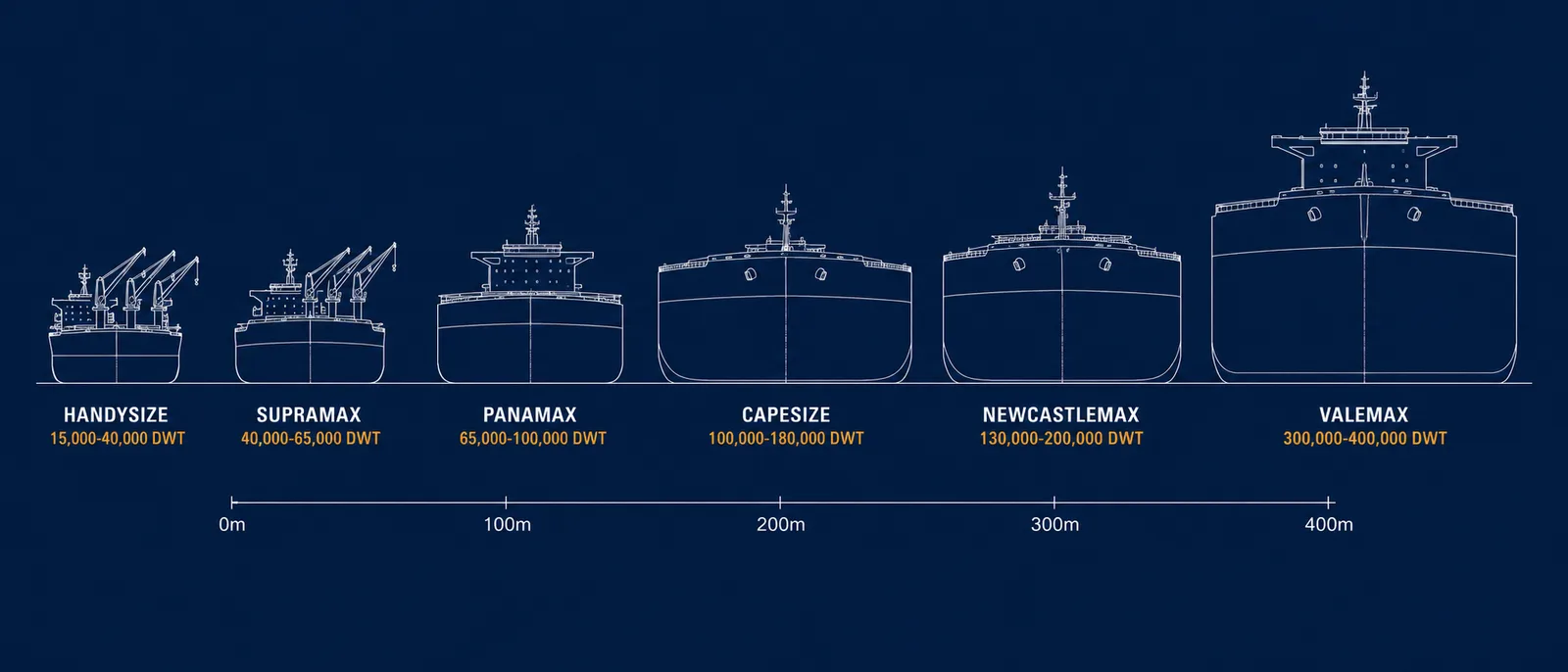
Bulk carrier size names look technical but they're really shorthand for trade patterns. A Capesize means iron ore. A Panamax hints at grain or coal. About 70% of the world's seaborne iron ore moves on Capesize alone — which is why a single commodity can move the entire BDI. A plain guide to the size labels that quietly organize the dry bulk fleet.

The Quiet Retreat — Alternative Marine Fuels Just Lost Their Year
Industry Analysis10 min·May 21, 2026

The Quiet Retreat — Alternative Marine Fuels Just Lost Their Year

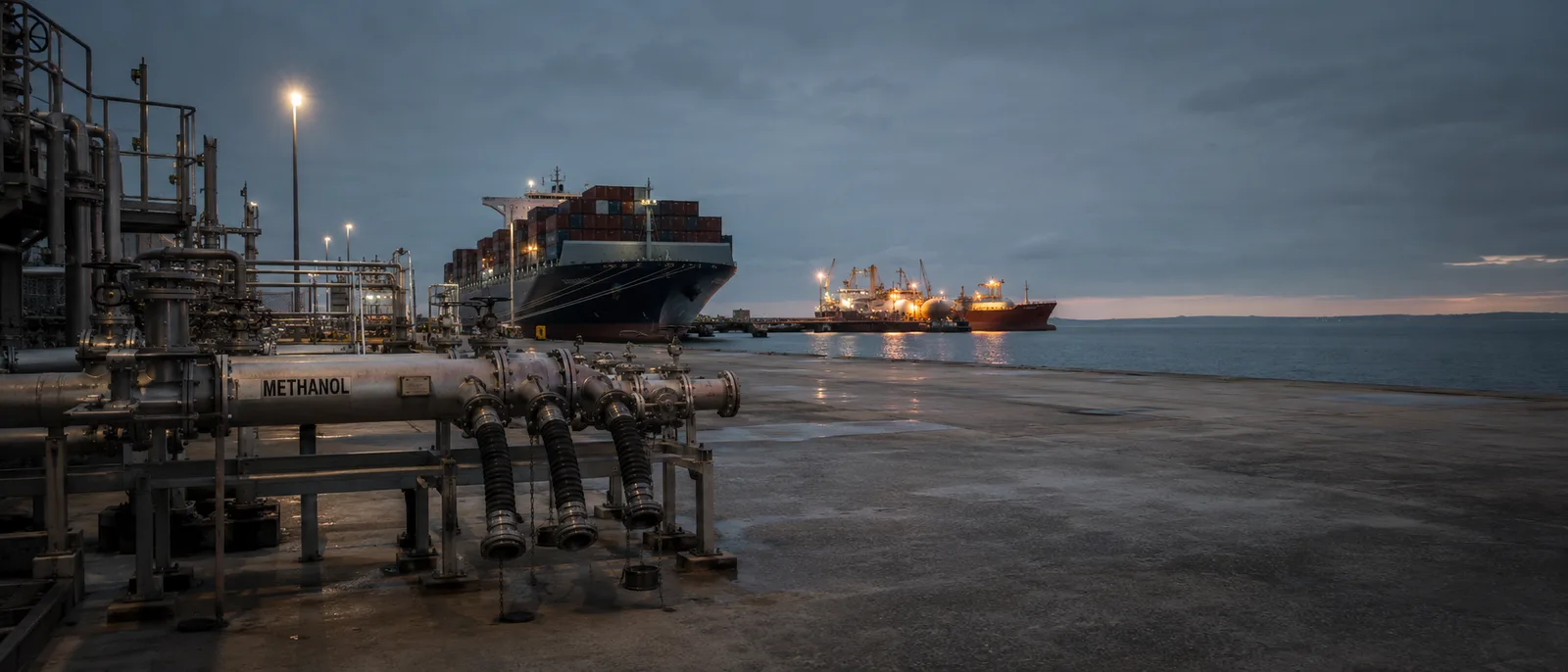
For three years, every maritime panel named the same trio as shipping's decarbonization future: methanol, ammonia, hydrogen. The 2025 orderbook said something different. Methanol orders fell 59%. Ammonia recorded five vessels. LNG took 80% of all alternative-fuel orders. Maersk — the carrier that built its brand on methanol — is publicly working through engine reliability and grey-methanol fallback. The narrative didn't change. The capital did.

Tanker Sizes Explained — Aframax, Suezmax, VLCC, and ULCC
Explainers8 min·May 20, 2026

Tanker Sizes Explained — Aframax, Suezmax, VLCC, and ULCC

A tanker can be longer than the Eiffel Tower is tall and carry two million barrels of oil, yet the industry refers to it with four letters: VLCC. A plain guide to the size labels that quietly organize the entire global tanker fleet — what each class measures, why each name exists, and what each one tells you when it shows up in a headline.

Brent, WTI, Dubai — Why Oil Has Three Prices for the Same Liquid
Explainers7 min·May 19, 2026

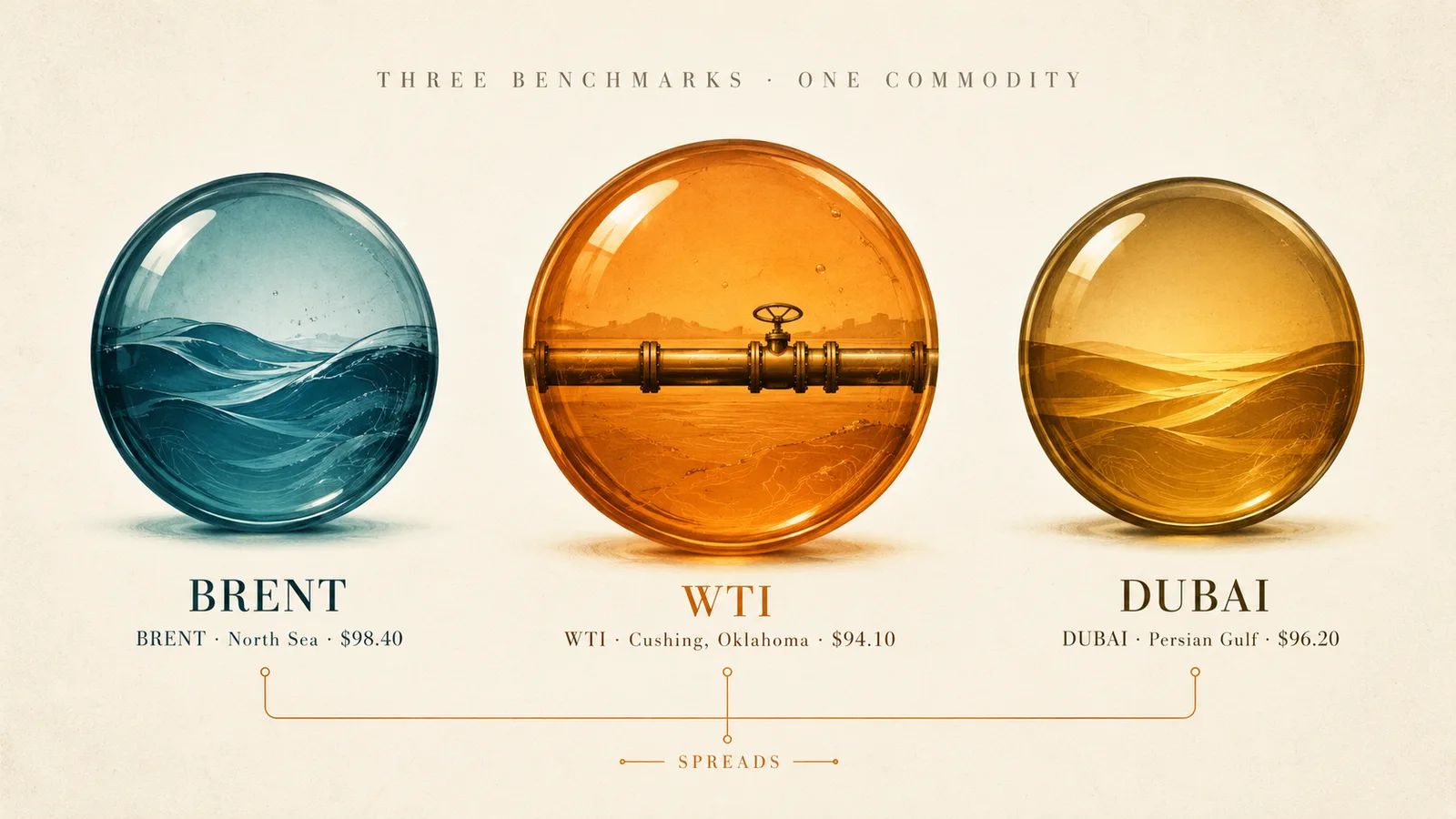
Brent, WTI, Dubai — Why Oil Has Three Prices for the Same Liquid

Open any energy feed and you'll see three oil prices: Brent, WTI, Dubai. They move together — mostly. The gaps between them quietly shape where the world's crude flows next quarter. A plain walk through what each benchmark actually measures, why they diverge, and what shipping desks read into it when they do.

Why the Baltic Dry Index Just Jumped — and What It Actually Measures
Explainers7 min·May 18, 2026

Why the Baltic Dry Index Just Jumped — and What It Actually Measures

The BDI hit a two-year high last week, rising 19% in three trading days. Most headlines framed it as a demand recovery. The real driver was something more specific — and it wasn't about more cargo. A plain-English walk through what the BDI actually measures, why it just spiked, and how to read the headlines more carefully than they're written.

Paused, Not Removed — What Section 301's Suspension Is Actually Costing
Industry Analysis9 min·May 16, 2026

Paused, Not Removed — What Section 301's Suspension Is Actually Costing

USTR's Section 301 maritime fees took effect October 14, 2025 and were suspended on November 10, three and a half weeks later. The contracts being signed since then have continued to price the fee structure into their terms. What the suspension froze, what it did not, and why the next twelve months of newbuild orders, charter renewals, and fleet financing are pricing a fee that legally does not exist right now.

Iron, Not Oil — What the Capesize Spike Is Actually Pricing
Industry Analysis8 min·May 15, 2026

Iron, Not Oil — What the Capesize Spike Is Actually Pricing

The Baltic Capesize Index jumped 22% in three trading sessions this week. The intuitive read is that Hormuz is now spilling into dry bulk. The data says otherwise. Iron ore — not oil — is doing the work, and the difference matters for anyone pricing Q3 fixtures.

Why Your Next iPhone Might Cost More — Thanks to a Shipping Fee You've Never Heard Of
Explainers6 min·May 13, 2026

Why Your Next iPhone Might Cost More — Thanks to a Shipping Fee You've Never Heard Of

The U.S. now charges a fee on certain Chinese-built and Chinese-operated ships entering its ports — and it jumped 60% on April 17, 2026. The direct cost per imported product is tiny. The real story is what carriers are doing to avoid it, and how those workarounds are quietly reshaping prices on everything that crosses the Pacific.

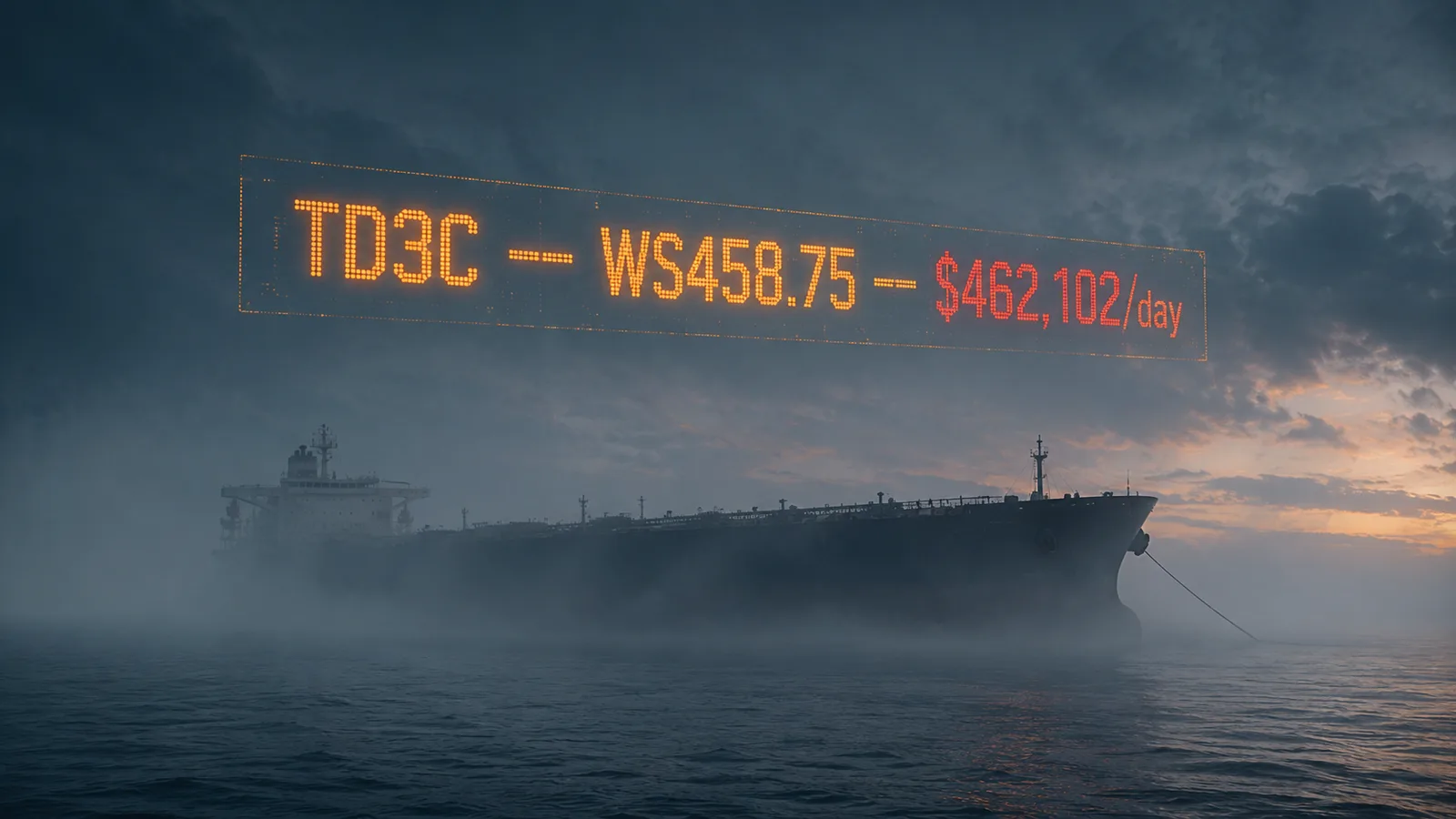
The Index That Doesn't Exist — What TD3C Is Really Measuring
Market Analysis9 min·May 13, 2026

The Index That Doesn't Exist — What TD3C Is Really Measuring

The TD3C is the benchmark VLCC freight index for Middle East Gulf to China. On May 11, it printed $462,102 per day in TCE terms. The route it names — Ras Tanura to Ningbo — has been commercially inaccessible for much of the international market for weeks. The index has not stopped. It has changed what it measures.

The Brent in the Headlines Isn't Really Brent
Explainers6 min·May 12, 2026

The Brent in the Headlines Isn't Really Brent

Every day, energy headlines quote one number: Brent crude. It anchors pricing for roughly two-thirds of internationally traded crude oil. Here's the strange part — the original Brent oilfield is nearly empty, and the price you see is really a basket of five North Sea grades trading under one famous name.

The Locked Cycle — Why Newbuilds Are Dropping, Demolition Is Dying, and Hormuz Is Making Both Worse
Industry Analysis14 min·May 11, 2026

The Locked Cycle — Why Newbuilds Are Dropping, Demolition Is Dying, and Hormuz Is Making Both Worse

Three things are happening at once: newbuilding orders fell 44.5% in 2025, ship demolition has collapsed to 25% of peak capacity, and a 17-year-record orderbook is about to deliver into both. The Hormuz crisis is not the cause — it is the catalyst freezing all three positions in place at the same time.

The Engineer's Verdict — Why HMM Namu's "Fire" Was Never a Fire
Geopolitics13 min·May 10, 2026

The Engineer's Verdict — Why HMM Namu's "Fire" Was Never a Fire

South Korea's May 10 finding of "unidentified airborne objects" striking the HMM Namu confirmed what marine fire statistics already implied — a newbuild ship at anchor with engines idle has an exceptionally low probability of internal engine room fire. The six days between the incident and the announcement were diplomatic time, not engineering time.

The Friction Doesn't Disappear — It Just Moves
Industry Analysis14 min·May 10, 2026

The Friction Doesn't Disappear — It Just Moves

Four corridors are absorbing the redistribution of Hormuz friction — but "alternative" doesn't mean cheaper. It means differently expensive, paid to different intermediaries, on different timelines. The infrastructure being built right now will outlast the crisis itself.

The PGSA Toll Booth — How a Hormuz Crisis Became an Institution
Geopolitics11 min·May 9, 2026

The PGSA Toll Booth — How a Hormuz Crisis Became an Institution

Iran's Persian Gulf Strait Authority went live on May 5, issuing transit permits and reportedly charging up to $2M per vessel. The May 6 oil reset moved one clock; the war risk market moved another. The PGSA runs on a third clock that markets have barely begun to price.

The Ceasefire That Isn't: What Brent's 7% Drop Actually Tells You
Geopolitics13 min·May 8, 2026

The Ceasefire That Isn't: What Brent's 7% Drop Actually Tells You

On May 6, Brent fell 7.4% on news of US-Iran negotiations and a Trump-paused Project Freedom. The oil market priced a ceasefire. The Lloyd's war risk market did not. Two markets, same event, different clocks — and reading the gap is where voyage planners earn margins for the next 60 days.

VLSFO Price Volatility in 2026: What's Actually Behind the Swings
Industry Analysis14 min·May 7, 2026

VLSFO Price Volatility in 2026: What's Actually Behind the Swings

Singapore VLSFO swung $84/mt in a single week in May 2026. Hormuz redirections, EU ETS rollout, and refinery compatibility issues are stacking the cost — and one pattern in particular catches operators twice. The drivers, the data, and what disciplined bunker desks are watching now.

War Risk Insurance 2026: Why Hormuz Transits Now Cost $1.5M-$4.5M More Per Voyage
Industry Analysis14 min·May 6, 2026

War Risk Insurance 2026: Why Hormuz Transits Now Cost $1.5M-$4.5M More Per Voyage

War risk premiums jumped from 0.25% to 1-3% of hull value when Joint Hull Committee re-classified the Strait of Hormuz. The cost gap by route, by ship type, and by flag — and what it means for charterers in 2026.

HMM Namu Caught Fire in Hormuz. What Korea's Real Exposure Looks Like.
Geopolitics13 min·May 6, 2026

HMM Namu Caught Fire in Hormuz. What Korea's Real Exposure Looks Like.

On May 4, 2026, a Korean-operated cargo vessel suffered an engine room fire in the Strait of Hormuz. The cause is officially under review. The HMM Namu incident brings Korea's structural Hormuz exposure into public view — three plausible paths for the next 60 days, and what voyage planners are adjusting now.

When Oil Spikes But Freight Falls: Reading the May 2026 Disconnect
Market Analysis12 min·May 5, 2026

When Oil Spikes But Freight Falls: Reading the May 2026 Disconnect

Brent at $114, BDI at 1,882. The two numbers usually move together. When they don't, the cycle is telling you something — and most operators are reading it wrong. A data-driven analysis of the tanker-bulker divergence and what it means for Q3 2026.

Where Are We in the Shipping Cycle? A 2026 Diagnostic
Industry Analysis14 min·May 5, 2026

Where Are We in the Shipping Cycle? A 2026 Diagnostic

Reading the four signals that always tell you where the next 18 months are heading: freight rates, asset prices, newbuild orders, and demolition. A data-driven framework for shipowners, charterers, brokers, and investors navigating 2026 volatility.

After MEPC 84: How a 5-Nation Coalition and the UAE Are Quietly Rewriting Shipping's Climate Future
Industry Analysis13 min·May 4, 2026

After MEPC 84: How a 5-Nation Coalition and the UAE Are Quietly Rewriting Shipping's Climate Future

The US officially walked away from the IMO's carbon tax on May 2. Combined with UAE's OPEC exit four days earlier, the world's biggest flag states, biggest oil exporter, and biggest economy are now pushing in the same direction. A multi-angle analysis of what comes next.

11 Chokepoints, 80% of Global Trade: A 2026 Risk Map for Shippers
Geopolitics13 min·May 2, 2026

11 Chokepoints, 80% of Global Trade: A 2026 Risk Map for Shippers

From Hormuz to the Bosphorus, eleven maritime pressure points carry the bulk of world trade. Here's where they stand in 2026, what's actually at risk, and which routes have alternatives — and which don't.

NSR Shipping in 2026: When the Northern Sea Route Actually Makes Sense (And When It Doesn't)
Route Analysis11 min·May 2, 2026

NSR Shipping in 2026: When the Northern Sea Route Actually Makes Sense (And When It Doesn't)

The NSR cuts 35% off the Asia-Europe distance, but distance isn't cost. Ice-class premiums, Russian fees, and insurance realities determine whether the world's shortest northern route is actually the cheapest.

MEPC 84 Outcome: What the IMO's Net-Zero Survival Means for Voyage Planners
Industry Analysis10 min·May 2, 2026

MEPC 84 Outcome: What the IMO's Net-Zero Survival Means for Voyage Planners

The IMO's Net-Zero Framework survived US pushback, a new Northeast Atlantic ECA was approved, and global carbon pricing for shipping moved closer to reality. Here's what changes for voyage operators in 2026 and beyond.

Bunker Fuel Prices in 2026: Live Data Plus Why VLSFO Costs Are Volatile
Market Data9 min·May 1, 2026

Bunker Fuel Prices in 2026: Live Data Plus Why VLSFO Costs Are Volatile

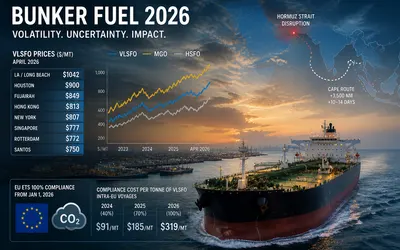
VLSFO in Singapore: $840/mt. Rotterdam: $768/mt. Fujairah: $893/mt — and moving fast. Prices across all 41 major bunker ports, plus the Hormuz, EU ETS, and refinery factors driving 2026's volatility. Updated weekly.

UAE Quits OPEC: What 5 Million Barrels of Independent Crude Means for Global Shipping
Industry Analysis11 min·April 30, 2026

UAE Quits OPEC: What 5 Million Barrels of Independent Crude Means for Global Shipping

The UAE's exit from OPEC reshapes Gulf oil flows, tanker demand, and shipyard order books. A multi-angle analysis for voyage planners, charterers, brokers, and operators worldwide.

Suez vs Cape of Good Hope: Route Cost Comparison for 2026
Industry Analysis12 min·April 26, 2026
Suez vs Cape of Good Hope: Route Cost Comparison for 2026

Why the Cape became the default Asia–Europe lane, how war-risk insurance flipped the economics, and what voyage planners should optimize beyond distance.

Strait of Hormuz Crisis 2026: How It's Reshaping Global Shipping Routes
Industry Analysis10 min·April 25, 2026
Strait of Hormuz Crisis 2026: How It's Reshaping Global Shipping Routes

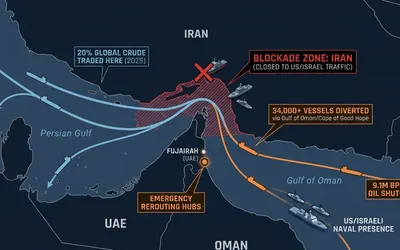
The 2026 Hormuz blockade has diverted 34,000+ vessels, spiked bunker prices, and forced operators to rebuild routing strategies from scratch.
How Container Ship ETAs Are Actually Calculated (And Why Most Are Wrong)
Voyage Planning8 min·April 24, 2026
How Container Ship ETAs Are Actually Calculated (And Why Most Are Wrong)

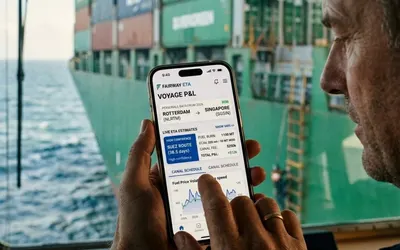
Container ETAs depend on six variables: route, weather, port congestion, fuel, speed reduction, and tide windows. Most public calculators use only two. The full method, and the gaps that explain why your ETA differs from the ship's.

About this section

The five categories

Geopolitics & Crisis Analysis tracks how chokepoint events become voyage costs. Industry Analysis covers the structural cycle — orderbook, scrapping, fleet age, decarbonization compliance. Routes & Voyage Planning compares major shipping corridors and the bypass options when a corridor closes. Market Data & Indices reads the BDI, freight rates, and bunker prices without ceremony. Explainers breaks down a single concept at a time for newcomers and adjacent-industry readers.

Editorial standards

Standards are kept on the about page. The short version: we cross-verify against primary sources before publishing, we paraphrase rather than quote at length, and we date articles so corrections can be tracked. If a number turns out to be wrong, we update the article rather than letting the original stand.