Fuel & Emissions

Bunker prices, VLSFO, ECA zones, carbon capture, alternative fuels, and the energy transition at sea.

8 articles

Bunker fuel is the single largest variable cost on any ocean voyage — typically 40-60% of total voyage expenses. This section covers bunker market dynamics, VLSFO pricing and compatibility risks, ECA zone expansion and compliance costs, the EU Emissions Trading System as applied to shipping, alternative fuel economics (LNG, methanol, ammonia, hydrogen), and onboard carbon capture technology.

The energy transition in shipping is slower, more expensive, and more technically constrained than in most other transport sectors. Articles here track the gap between regulatory ambition and operational reality.

EU ETS for Shipping Explained — What 100% Phase-In Actually Costs
Fuel & Emissions10 min

EU ETS for Shipping Explained — What 100% Phase-In Actually Costs

For the first time, 2026 emissions count fully under Europe's carbon market — and methane and nitrous oxide are inside the scope. Here's what that actually means for a single Asia–Europe voyage: how the cap-and-trade system works, why an EU-to-non-EU voyage is taxed at 50%, what a 10,000 TEU container ship really pays in EU ETS bills (€250,000–€300,000 per Busan-Rotterdam voyage), why container carriers are accused of making €60,000 in windfall margin per voyage on top of the actual cost, and how the UK port arbitrage works. Everything operators trading into Europe need to know about the regulation that just doubled the carbon line on every EU freight quote.

May 30, 2026
Ice Class Explained — What 1A Super, PC6, and Arc7 Actually Mean
Fuel & Emissions9 min

Ice Class Explained — What 1A Super, PC6, and Arc7 Actually Mean

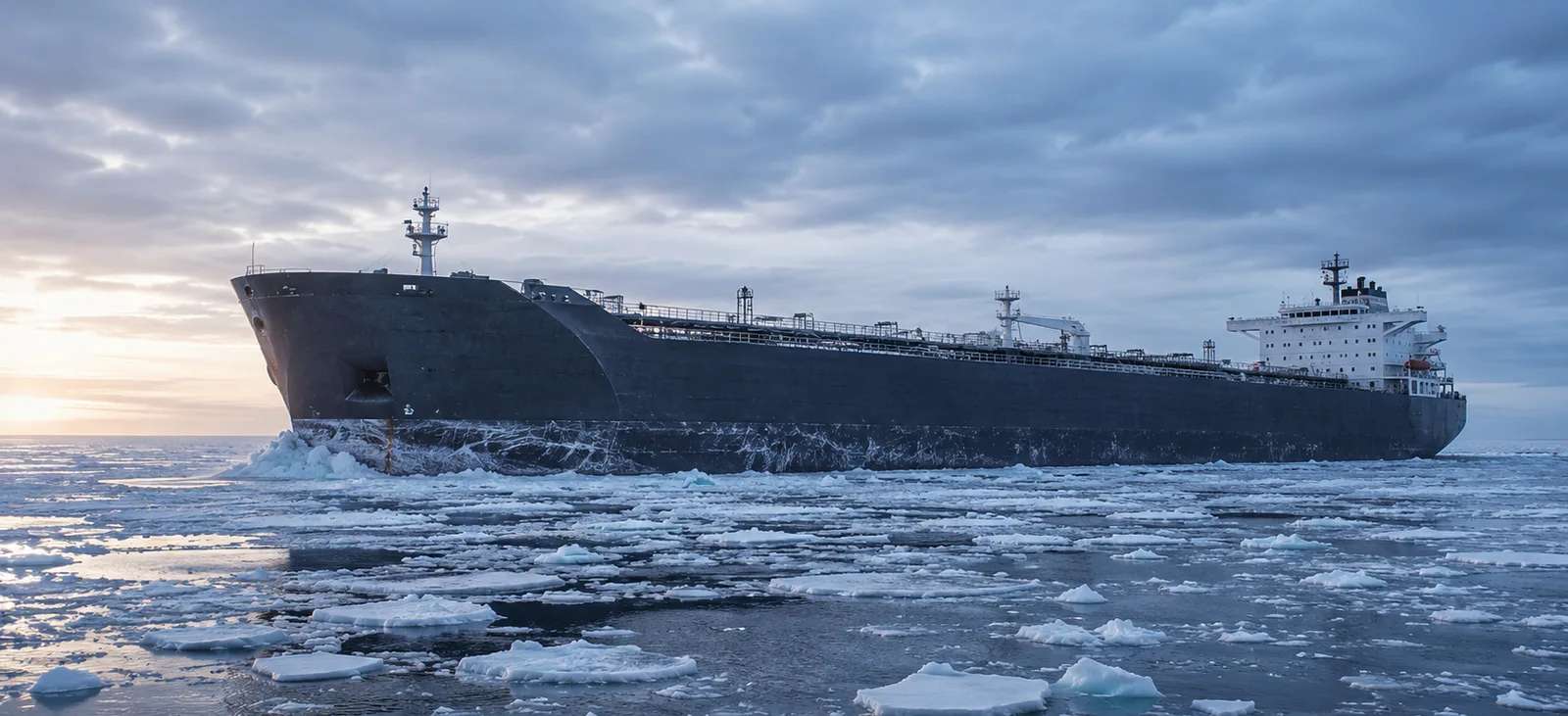
Ice class looks like a single rating. It's actually three competing systems built for different seas — Finnish-Swedish for the Baltic, IACS Polar Class for the global polar regions, Russian Arc for the Northern Sea Route. A 1A Super tanker isn't built for the Arctic. The 15 Yamal LNG carriers serving Russia's NSR are Arc7, not Polar Class. The only PC2 ship in passenger service is a French luxury cruise liner. Here's what the labels actually mean and why the differences decide whether a ship can legally enter a stretch of frozen water.

May 29, 2026
The Map Is Changing — Why Most of the North Atlantic Will Burn 0.10% Fuel by 2028
Fuel & Emissions10 min

The Map Is Changing — Why Most of the North Atlantic Will Burn 0.10% Fuel by 2028

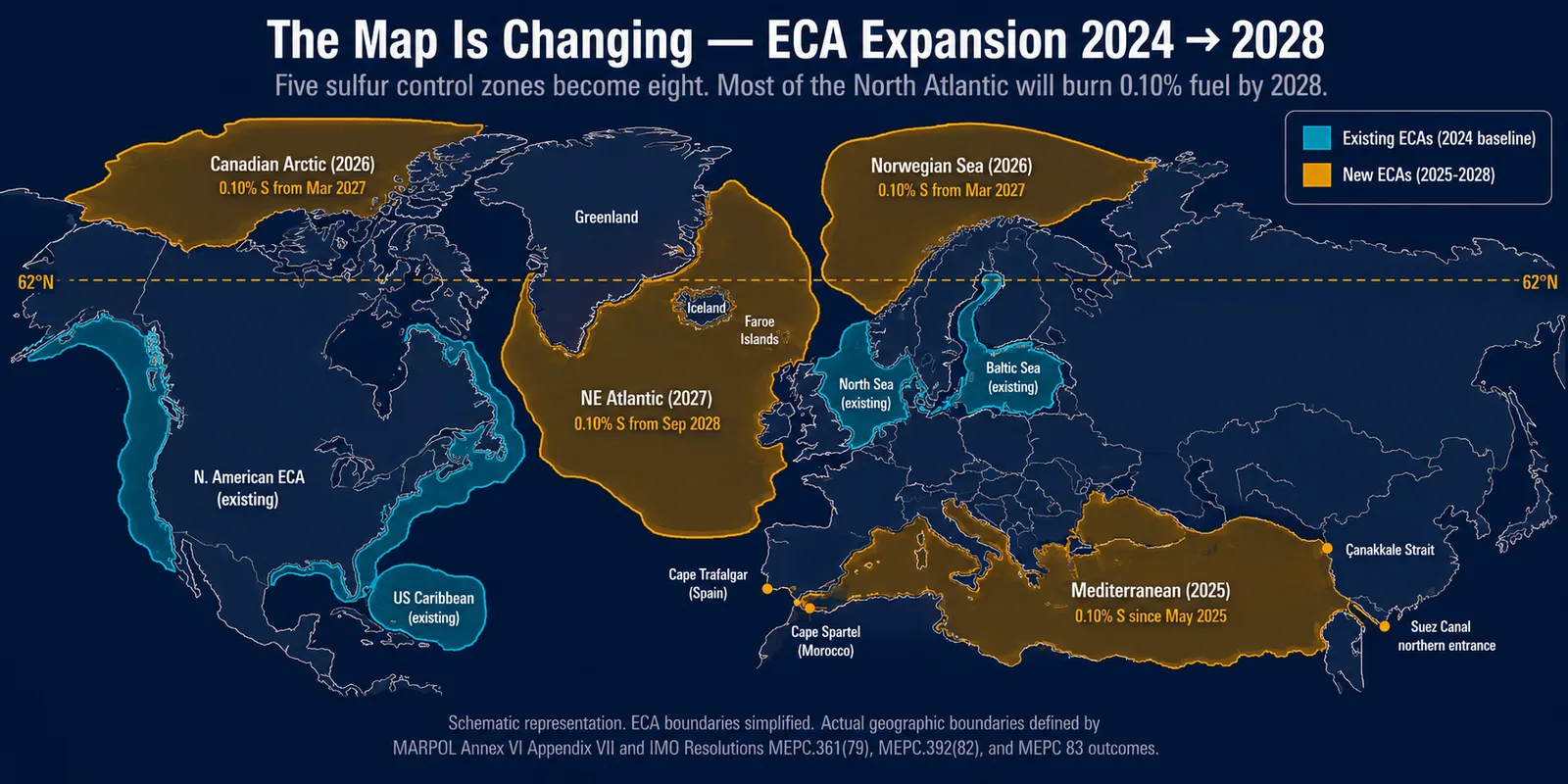
A bunker contract signed in 2024 covered four sulfur control zones. A bunker contract signed in 2028 will cover eight. The Mediterranean went live in May 2025. The Canadian Arctic and Norwegian Sea entered force in March 2026. The North-East Atlantic follows in September 2027. The IMO is drawing a new map of the world's bunker market, and the data from the first year of the Mediterranean ECA shows exactly how the fuel mix changes once a zone goes live.

May 27, 2026
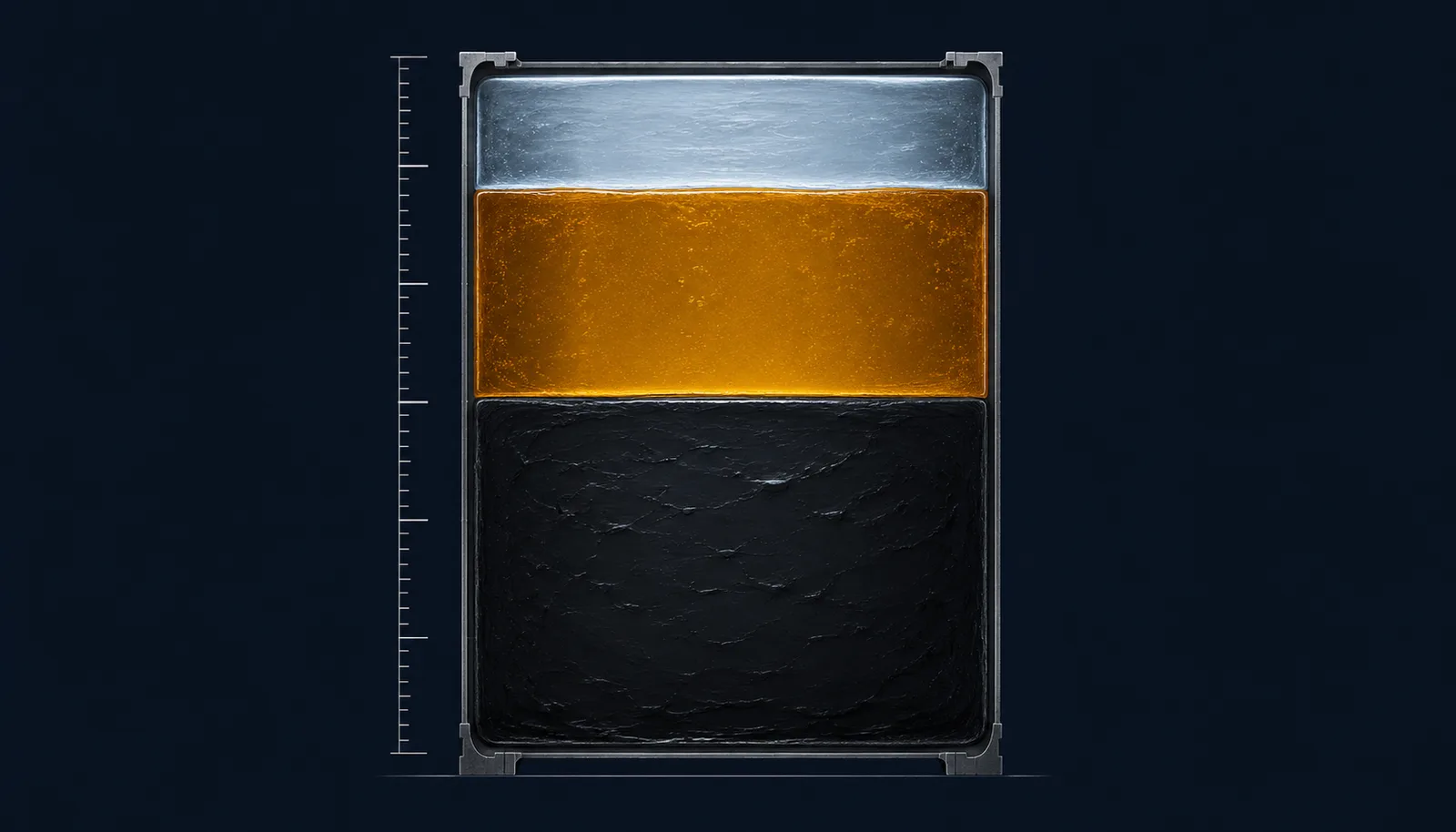
The Houston Pattern: Why Bunker Fuel Still Breaks Engines, Five Years After IMO 2020
Fuel & Emissions10 min

The Houston Pattern: Why Bunker Fuel Still Breaks Engines, Five Years After IMO 2020

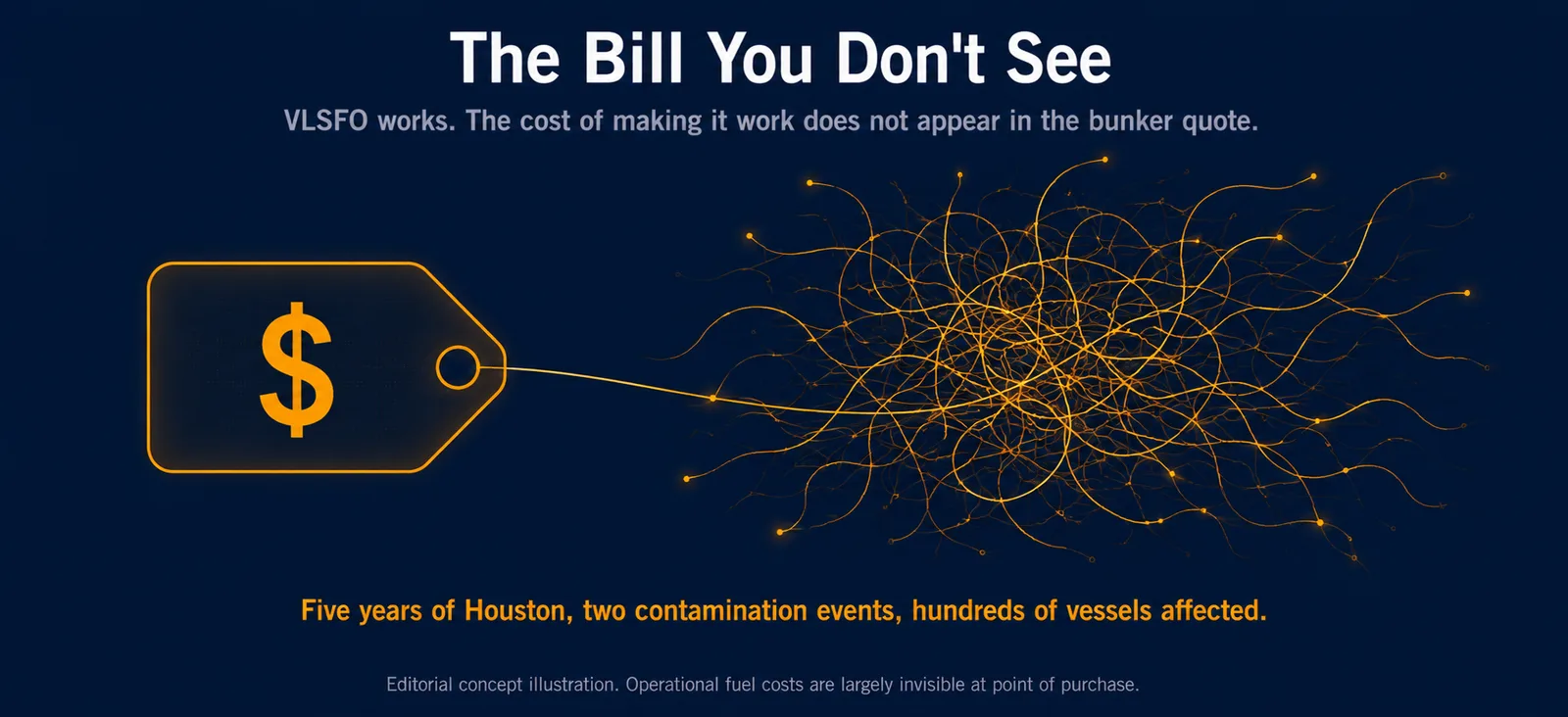
In 2018, more than 100 vessels suffered fuel pump failures from contaminated bunkers delivered through Houston — under the HSFO regime. In 2023, the same hub delivered a different contaminant in VLSFO from a single supplier, eventually affecting 32 vessels and spreading to Singapore. Five years apart, two contamination events, the same supplier-end supply chain gap. The lessons of 2018 returned in 2023, more expensively. The fuel works. The cost of making it work does not appear in the bunker price quote.

May 25, 2026
Onboard Carbon Capture (OCCS): The Technology Works. The Infrastructure Doesn't.
Fuel & Emissions9 min

Onboard Carbon Capture (OCCS): The Technology Works. The Infrastructure Doesn't.

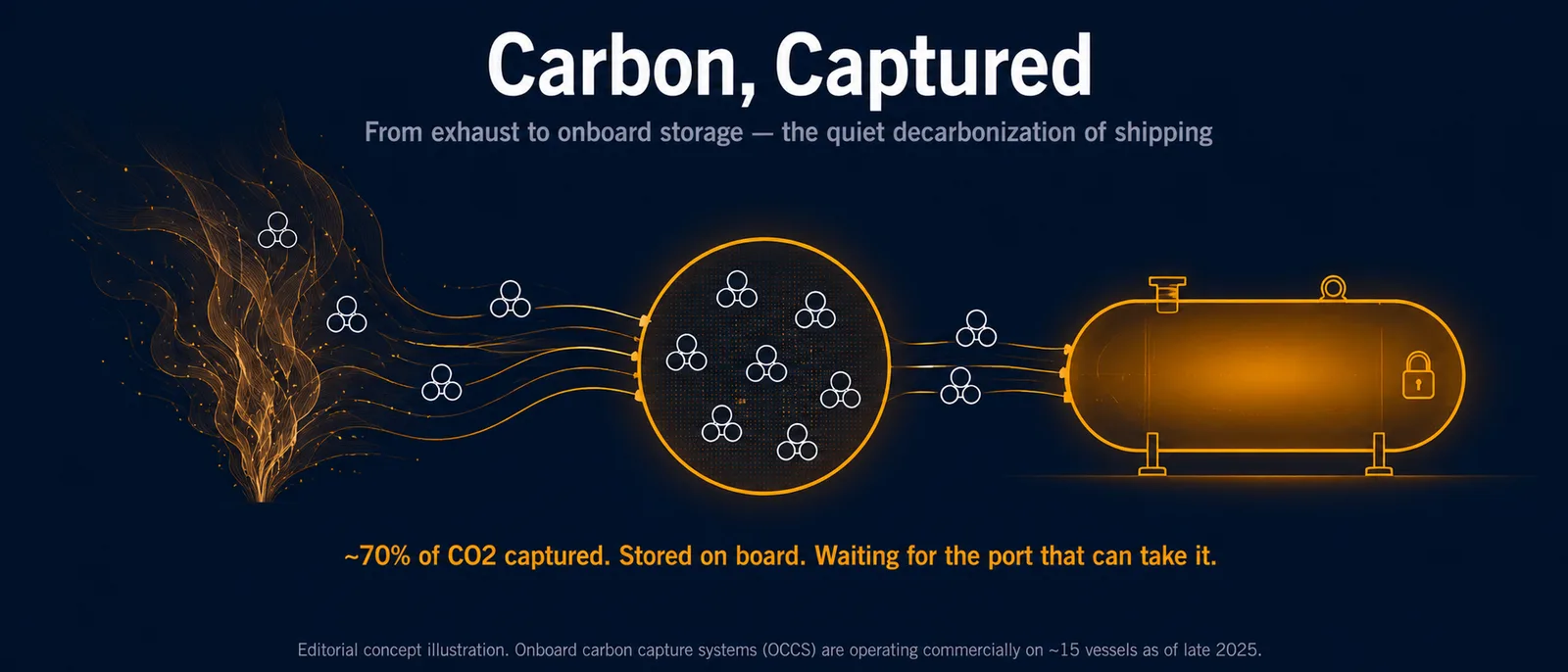
Onboard carbon capture has crossed from PowerPoint to commercial deployment. Wärtsilä launched its system to market in May 2025. Around fifteen vessels were operating OCCS by end-2025. The technology captures up to 70% of exhaust CO2. Cost estimates range from $769 per tonne (prototype) to €50–70 per tonne (commercial launch) — a ten-times gap that nobody has explained. The technology works. The infrastructure doesn't. That spread defines who deploys when.

May 24, 2026
The Quiet Retreat — Alternative Marine Fuels Just Lost Their Year
Fuel & Emissions10 min

The Quiet Retreat — Alternative Marine Fuels Just Lost Their Year

For three years, every maritime panel named the same trio as shipping's decarbonization future: methanol, ammonia, hydrogen. The 2025 orderbook said something different. Methanol orders fell 59%. Ammonia recorded five vessels. LNG took 80% of all alternative-fuel orders. Maersk — the carrier that built its brand on methanol — is publicly working through engine reliability and grey-methanol fallback. The narrative didn't change. The capital did.

May 21, 2026
VLSFO Price Volatility in 2026: What's Actually Behind the Swings
Fuel & Emissions14 min

VLSFO Price Volatility in 2026: What's Actually Behind the Swings

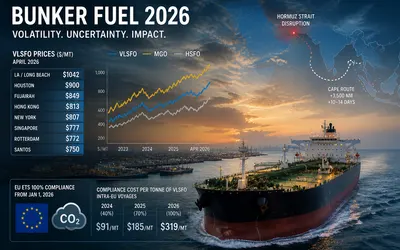
Singapore VLSFO swung $84/mt in a single week in May 2026. Hormuz redirections, EU ETS rollout, and refinery compatibility issues are stacking the cost — and one pattern in particular catches operators twice. The drivers, the data, and what disciplined bunker desks are watching now.

May 7, 2026
Bunker Fuel Prices in 2026: Live Data Plus Why VLSFO Costs Are Volatile
Fuel & Emissions9 min

Bunker Fuel Prices in 2026: Live Data Plus Why VLSFO Costs Are Volatile

VLSFO in Singapore: $840/mt. Rotterdam: $768/mt. Fujairah: $893/mt — and moving fast. Prices across all 41 major bunker ports, plus the Hormuz, EU ETS, and refinery factors driving 2026's volatility. Updated weekly.

May 1, 2026

Run the numbers yourself

Compare Suez, Cape, Panama, and NSR routes across 420+ ports. Free, no signup.

Launch Calculator →