Trade & Insurance

Bills of lading, P&I clubs, classification societies, war risk insurance, and the documents and institutions that make maritime trade possible.

4 articles

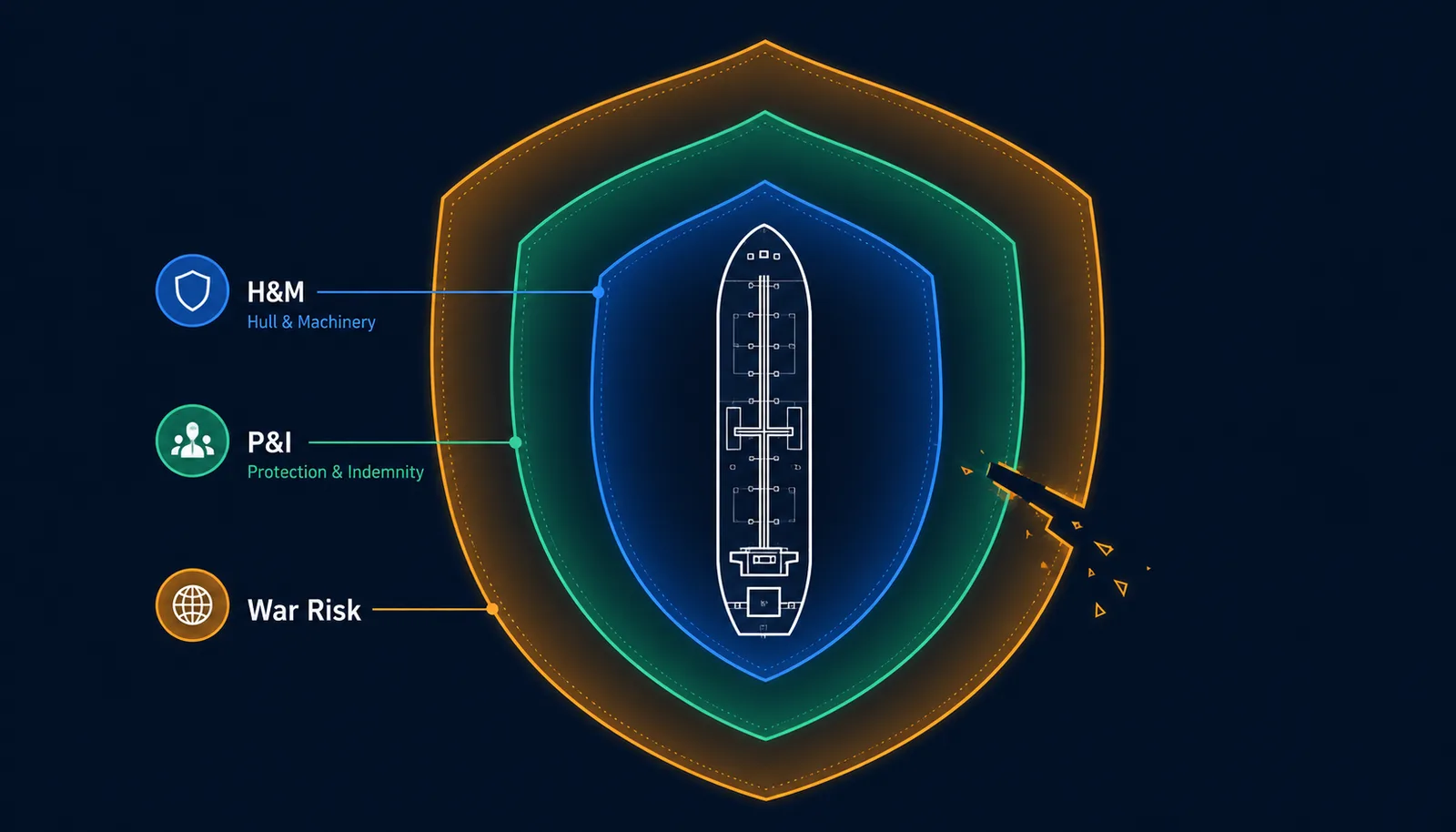
Maritime trade runs on documents and mutual trust structures that predate modern finance. The bill of lading — a receipt, a contract, and a title document in one — has been in continuous use since the 14th century. P&I clubs are mutual insurers with no shareholders, covering 90% of world tonnage through a pooling system that handles claims up to $3.35 billion per incident. Classification societies verify that ships meet structural and safety standards. War risk insurance prices the geopolitical exposure of every voyage.

This section covers the institutional and documentary infrastructure of maritime commerce — the layer that sits between the physical ship and the financial transaction.

P&I Clubs — 12 Clubs, No Shareholders, 90% of World Tonnage
Trade & Insurance11 min

P&I Clubs — 12 Clubs, No Shareholders, 90% of World Tonnage

Twelve clubs. No shareholders. No profit motive. Between them, they insure roughly 90% of the world's ocean-going tonnage and 95% of all tankers. P&I clubs are not insurance companies. They are cooperatives where shipowners insure each other. The system has worked since 1855. The Baltimore bridge collapse in 2024 was its biggest test yet.

June 12, 2026
Bill of Lading — The 1390 Document That Still Controls Who Owns Cargo
Trade & Insurance11 min

Bill of Lading — The 1390 Document That Still Controls Who Owns Cargo

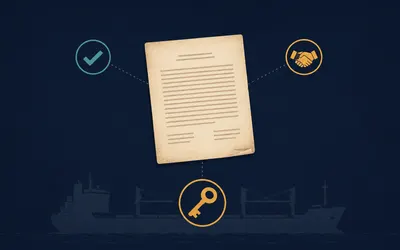
One piece of paper does three things that no other document in any other industry does simultaneously: it proves the cargo was received, it records the terms of transport, and it transfers legal ownership of goods that may still be at sea. The bill of lading has done this since the fourteenth century. The electronic replacement has gone from 1% adoption in 2021 to 11% in 2025 — and the paper original is still the default.

June 10, 2026
Classification Societies — Why Losing Class Grounds a Ship
Trade & Insurance9 min

Classification Societies — Why Losing Class Grounds a Ship

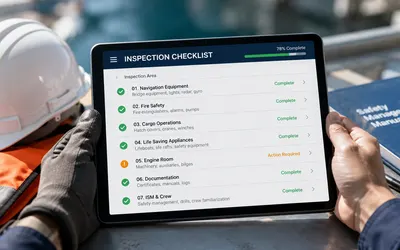
Class certificates appear on every vessel document but rarely get explained. A working tour of what a classification society does, why losing class effectively grounds a ship, who the 12 IACS members are, and how class differs from flag state and P&I.

June 1, 2026
War Risk Insurance 2026: Why Hormuz Transits Now Cost $1.5M-$4.5M More Per Voyage
Trade & Insurance14 min

War Risk Insurance 2026: Why Hormuz Transits Now Cost $1.5M-$4.5M More Per Voyage

War risk premiums jumped from 0.25% to 1-3% of hull value when Joint Hull Committee re-classified the Strait of Hormuz. The cost gap by route, by ship type, and by flag — and what it means for charterers in 2026.

May 6, 2026

Run the numbers yourself

Compare Suez, Cape, Panama, and NSR routes across 420+ ports. Free, no signup.

Launch Calculator →