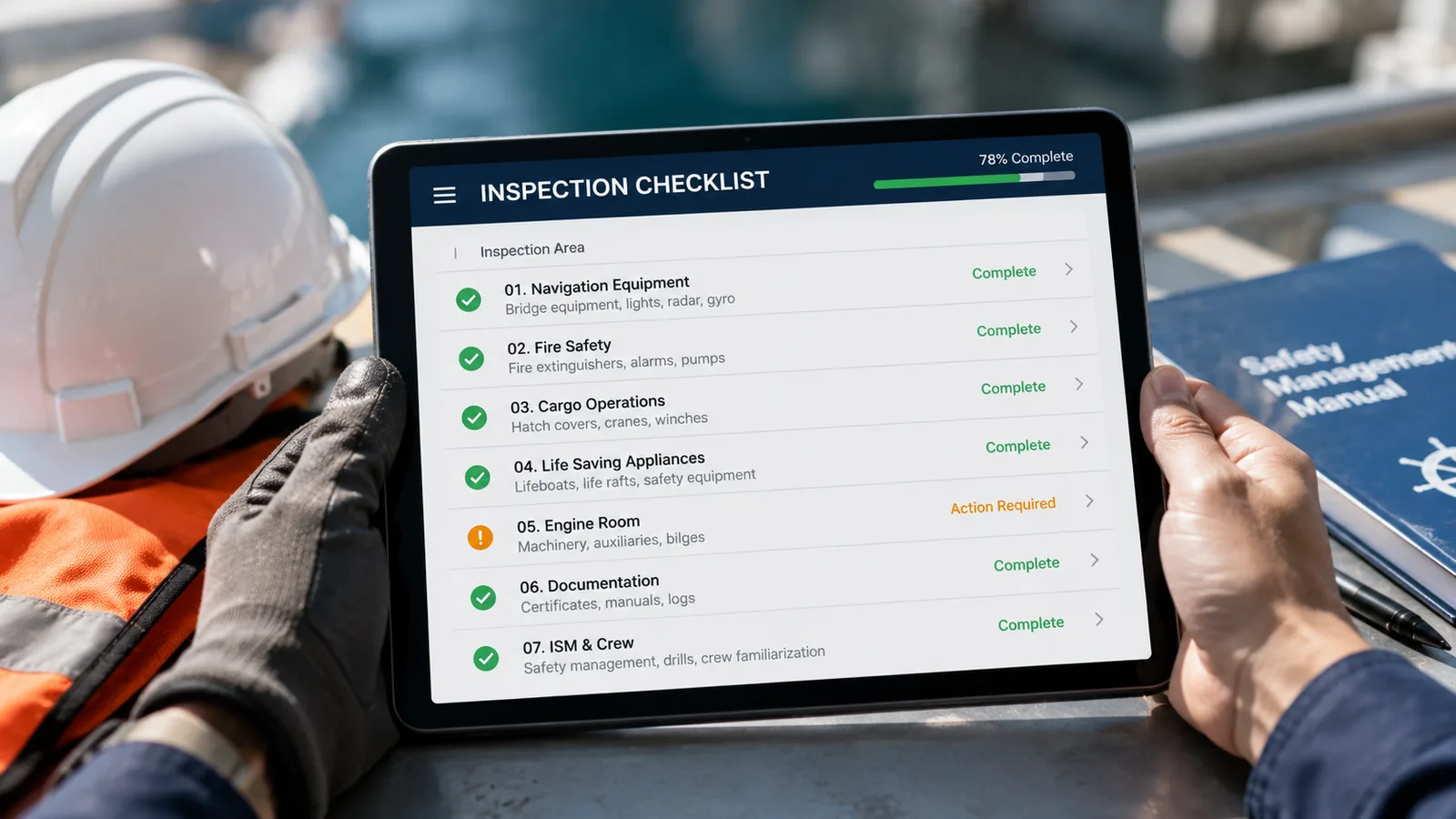
Nobody is required to pass it. There is no law mandating a SIRE inspection, no statute behind a RightShip Safety Score. And yet no oil major will charter a tanker without a recent SIRE 2.0 report. No commodity trader will nominate a Capesize without checking its RightShip score. Three private systems, three sectors, one consequence: fail the vetting and the ship does not work.
Vetting exists because the regulatory minimum is not enough. IMO conventions — SOLAS, MARPOL, STCW — set a floor below which no vessel can legally operate. Port state control authorities enforce that floor with inspections, detentions, and banning orders. But the commercial market does not want the floor. It wants assurance that vessels are operated above it, consistently, in a way that can be verified on a rolling basis. The three vetting systems — SIRE, CDI, and RightShip — are the industry's answer to that demand.
SIRE 2.0 — the oil tanker fingerprint
SIRE — the Ship Inspection Report Programme — has existed since 1993, when OCIMF built a shared database to prevent oil majors from running duplicate inspections of the same vessels. VIQ7, the version that ran until September 2, 2024, used a standardised questionnaire of approximately 300 questions. The questions were known in advance. An experienced crew could prepare responses before the inspector walked up the gangway. Preparation became a predictable variable in the inspection outcome.
Under VIQ7, the questionnaire was a script — 300 standardised questions, the same every time, predictable enough that an experienced crew could prepare the answers before the inspector walked up the gangway. Under SIRE 2.0, the CVIQ is a fingerprint — generated fresh for every vessel, shaped by its type, its history, and OCIMF's current priorities. No two fingerprints are the same. The script could be memorised. The fingerprint cannot.
The CVIQ — Compiled Vessel Inspection Questionnaire — is assembled from OCIMF's question library and weighted by three assessment dimensions: Hardware, Procedures, and Human Factors. Hardware covers equipment condition, maintenance records, and structural integrity. Procedures covers documented processes, checklists, and standing orders. Human Factors introduces the PIF framework — Performance Influencing Factors — which assesses crew competency, training evidence, and the organisational conditions that influence whether procedures are actually followed. Each observation the inspector records can generate findings across all three dimensions simultaneously.
Questions fall into four categories. Core questions — approximately half of each inspection — cover safety-critical areas and appear in every CVIQ. Rotational questions cycle periodically to ensure full coverage over time. Campaign questions address current industry-trend priorities set by OCIMF for a fixed period. Conditional questions are specific to the vessel's outfitting and cargo type.
Findings are recorded on a four-level scale — Exceeds, As Expected, Largely, Not as Expected — replacing VIQ7's binary yes/no. A single “Not as Expected” observation is not an automatic rejection, but multiple observations in the same dimension, or any observation in a high-criticality area, will materially affect a charterer's fixture decision.
A SIRE report remains active on the OCIMF database for 12 months from publication. In practice, most oil majors and terminal operators consider a report older than six months stale for chartering decisions — a commercial expiry layered on top of the database expiry. A tanker in active oil major trade may be inspected two or three times per year.
CDI — the chemical tanker screen
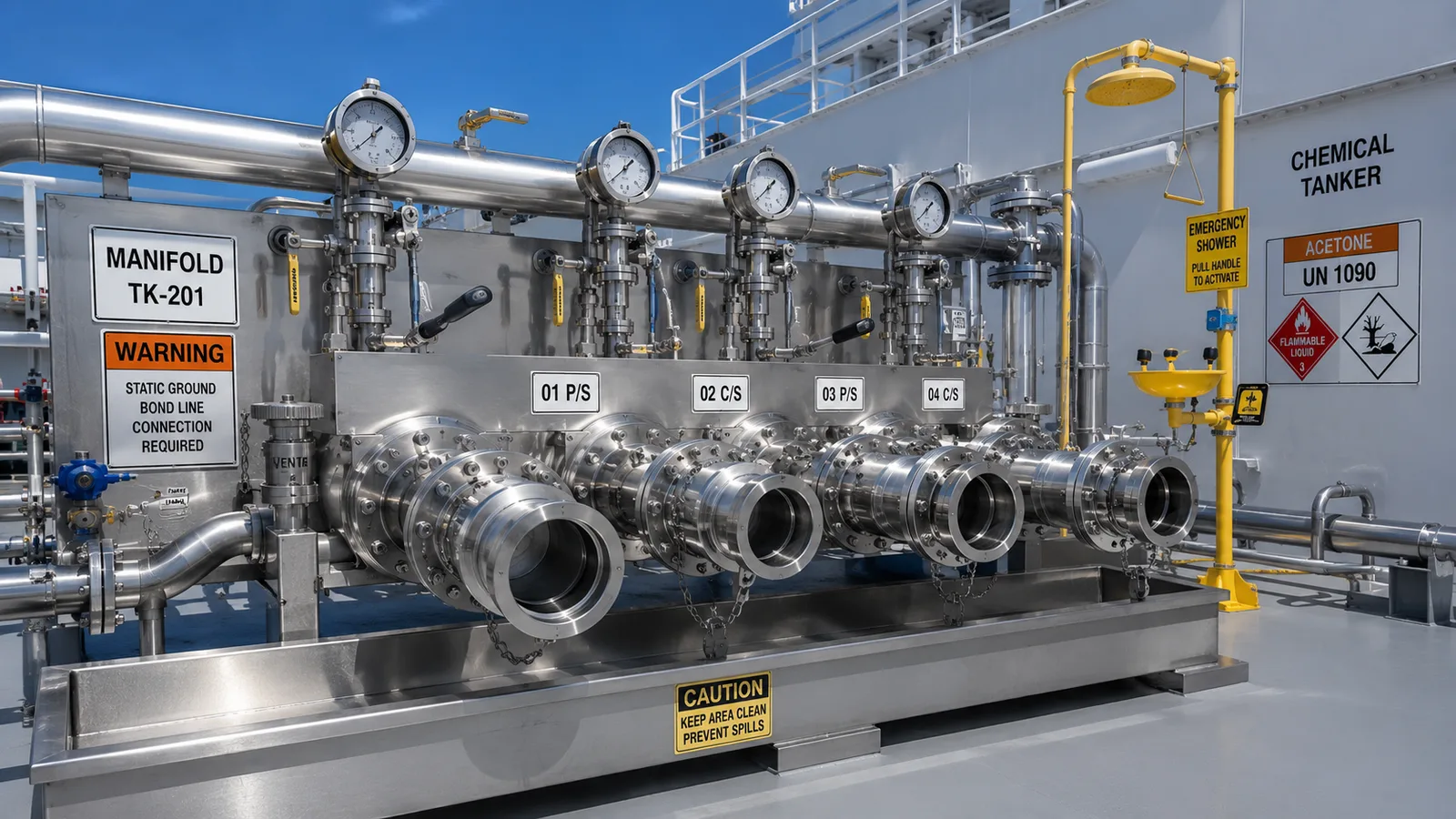
CDI — the Chemical Distribution Institute — covers chemical tankers and product carriers trading to terminals operated by chemical majors, oil companies, and commodity traders. Founded in 1994, CDI operates the Ship Inspection Report now in its 10th Edition (February 2024), covering the specific hazards of chemical and clean petroleum product trades that SIRE does not address.
The CDI questionnaire distinguishes between three question types. Statutory questions address regulatory requirements — MARPOL Annex II compliance, IBC Code certificates, flag state survey records. Recommended questions address industry best practice: procedures that CDI considers appropriate even where no regulation mandates them. Desirable questions address additional standards that some terminal operators require. The difference matters because a “No” answer to a Statutory question is a regulatory deficiency. A “No” to a Desirable question may still disqualify a vessel from a specific terminal approval even if the vessel is otherwise compliant.
CDI inspections are conducted by CDI-accredited inspectors and shared across the CDI database — available to all subscriber terminals and charterers. A single CDI report can satisfy the vetting requirements of multiple operators simultaneously, which is why the joint-industry model persists: the cost and logistics of independent inspections would be prohibitive in a trade where vessels call at dozens of terminals per year.
The overlap between SIRE and CDI exists for product tankers carrying clean petroleum products. A vessel may require both a current SIRE report (for the oil major chartering the voyage) and a CDI report (for the terminal receiving the cargo). The inspection regimes are complementary, not redundant: SIRE focuses on tanker operations broadly; CDI focuses on the specific cargo-handling competencies of chemical and product trades.
RightShip — the dry bulk filter
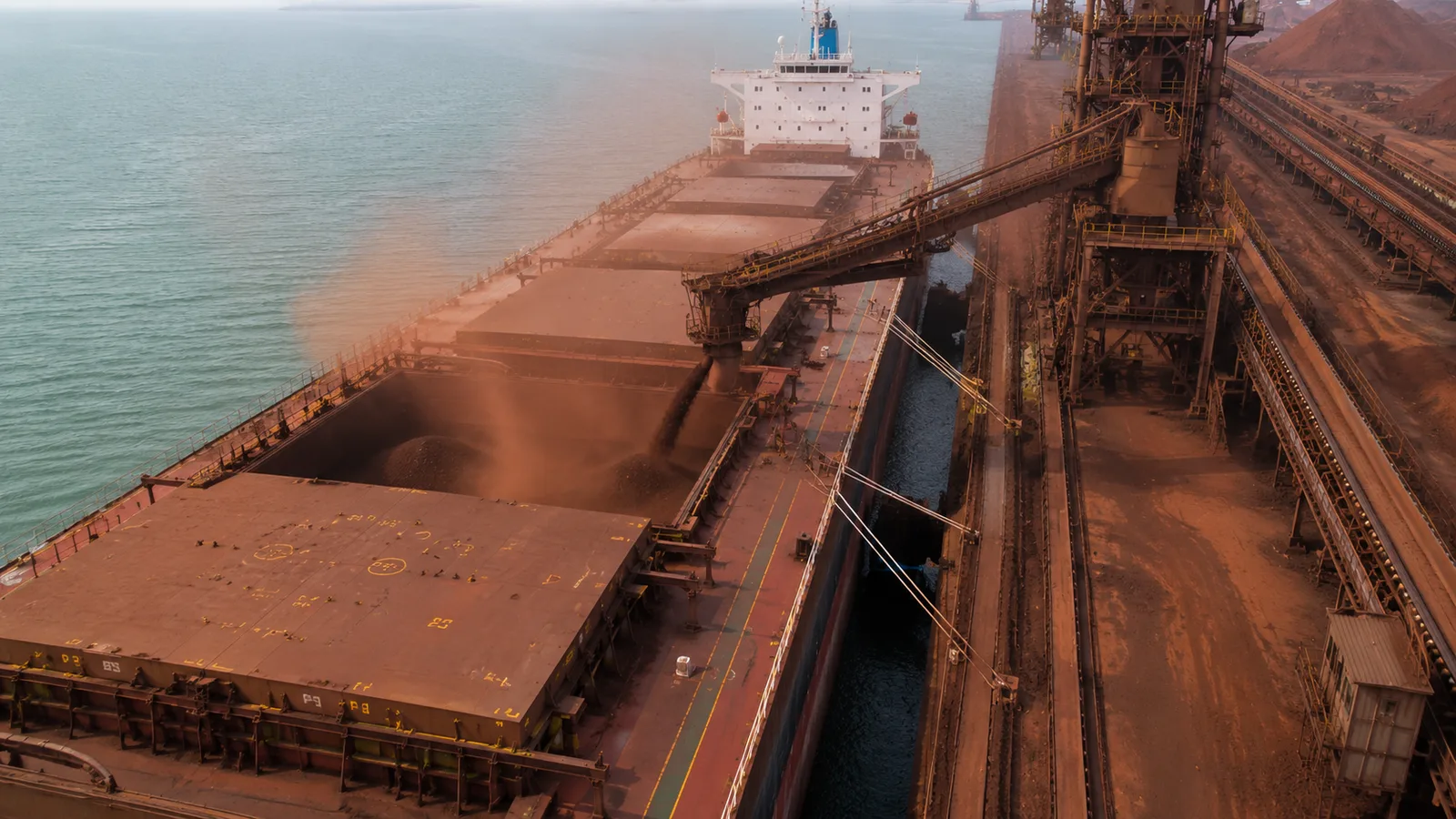
RightShip was established in 2001 by BHP and Rio Tinto to screen bulk carriers for their iron ore and coal trades. It has since expanded to cover all vessel types, but dry bulk remains its dominant application. The system operates differently from SIRE and CDI: rather than sending an inspector aboard, RightShip generates a continuous Safety Score from 0 to 5 using data inputs — vessel age, flag state PSC detention history, casualty record, class survey status, and management company track record.
The Safety Score updates continuously as new data is added. A vessel scoring 3.0 or above is generally charterable to major commodity traders. Below 3.0 it is flagged for review; below 2.0, most major charterers will not nominate it regardless of other factors. The age trigger operates on a defined schedule: from April 1, 2026, any dry bulk or general cargo vessel aged 12 years or older without a valid RightShip inspection has its Safety Score downgraded to 2 out of 5. From January 2027, the threshold drops to 10 years.
In 2021 RightShip introduced the GHG Rating — a scale from A (lowest emissions intensity) to E (highest), based on the vessel's Annual Efficiency Ratio benchmarked against the fleet distribution for its vessel type. The GHG Rating is now a standard field in most major commodity trading house nomination forms. A vessel rated D or E faces increasing commercial pressure, separate from and on top of any Safety Score outcome.
Port state control vs commercial vetting
The two inspection regimes — government PSC and commercial vetting — are often confused because both involve an inspector boarding a vessel and checking compliance. They are not the same function and they are not substitutes for each other.
Port state control operates under the Paris MOU, Tokyo MOU, and other regional memoranda of understanding. A PSCO boards a vessel to verify that it carries the certificates it is required to carry, that the equipment those certificates represent is functional, and that the crew holds the qualifications STCW demands. A detention means the vessel cannot leave port until deficiencies are corrected.
Commercial vetting goes further in most respects and measures different things. SIRE inspectors evaluate whether the vessel is operated above the regulatory minimum — not just whether certificates are current, but whether the management system generates compliance consistently and whether the crew demonstrates competency under real conditions, not just on paper. A vessel can hold valid SOLAS certificates, carry current MARPOL documentation, and comply with every STCW requirement — and still fail SIRE because its Human Factors assessment reveals organisational conditions that OCIMF considers inconsistent with safe tanker operations.
The distinction matters for the IMO's regulatory role. The IMO sets minimum standards that apply globally through flag states. Port state control enforces those standards at the port level. Commercial vetting operates in the space above those standards — set not by governments but by the industry bodies that represent the major buyers and charterers of tonnage.
The cost of failure
A failed vetting inspection does not produce a regulatory penalty. It produces a commercial cascade. The vessel is not fined, arrested, or banned by any public authority. It is simply unavailable for the work that pays.
The fleet cascade in step five is the consequence managers underestimate most. When a vessel fails a SIRE inspection at a significant finding level, the oil major does not merely decline to charter that vessel. It triggers a review of the managing company's entire approved list. Other vessels under the same management may be subjected to accelerated re-inspection schedules. If the findings indicate a systemic management deficiency rather than a vessel-specific issue, the entire fleet can be placed under commercial restriction while the investigation proceeds.
The financial arithmetic compounds quickly. A Suezmax trading at $45,000/day loses that revenue during the period it is uncharterable. The $2–3,000/day rate discount required to attract non-vetting charters is effectively a permanent income reduction until the inspection record is restored. A P&I premium increase following a poor vetting record compounds that reduction at every renewal. And for vessels under time charter, the charter party itself may include vetting warranty clauses — requiring the owner to maintain a current SIRE report as a contractual condition of employment.
Vessel size determines which system is most relevant. Oil tankers above 5,000 DWT require SIRE. Chemical tankers and product carriers use CDI. Bulk carriers trading to commodity terminals are screened through RightShip. For vessels in the Aframax and Suezmax classes, operating in clean and dirty petroleum product trades, SIRE and CDI may both apply simultaneously.
Three gatekeepers — and what lies outside them
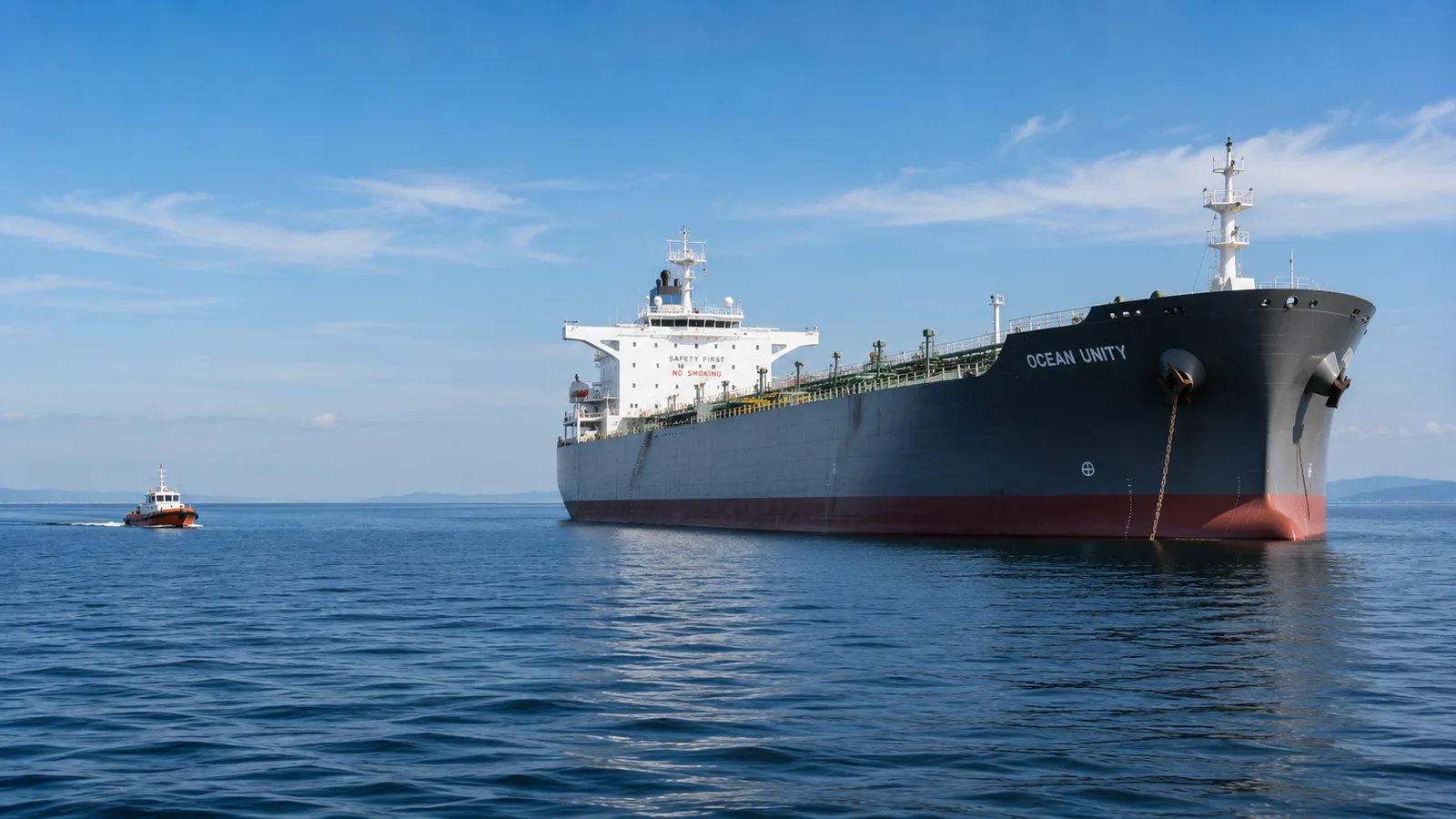
SIRE, CDI, and RightShip are three private systems operated by three different industry bodies. They do not share databases. They do not coordinate inspection schedules. They were not designed as a unified regime. And yet they function as one — because the buyers of tonnage, not the regulators, set the standard.
The classification societies — Bureau Veritas, Lloyd's Register, DNV, and the other IACS members — conduct structural and machinery surveys that certify a vessel is safe to operate. That function is separate from vetting. A class survey verifies that the ship is sound. A vetting inspection verifies that it is operated to commercial standards. Both are required. Neither substitutes for the other.
The three systems together define what it means to operate in the legitimate shipping market. Pass all three — or whichever combination applies to your trade — and the commercial world is open. Fail any one of them and the consequence is immediate: no fixture, no terminal, no mainstream insurance at standard terms.
Three vetting systems, three industry bodies — but they all share one boundary. They stop at the edge of the legitimate market. The shadow fleet — over 1,300 tankers operating outside SIRE, CDI, and RightShip — does not need to pass any of them. It serves buyers who do not require vetting reports, on routes where no one checks, with insurers who do not subscribe to the IG P&I system. The three vetting systems define what the legitimate market looks like. The shadow fleet is what happens when those definitions stop mattering.
For how P&I clubs interact with vetting outcomes, see P&I Clubs Explained. Classification societies and their role alongside vetting are covered in Classification Societies Explained. Vetting warranty clauses in charter contracts are addressed in Charter Parties Explained. For the fleet that operates outside all three systems, see the Shadow Fleet analysis. The IMO regulatory framework that PSC enforces is covered in What Is the IMO?. For vessel class and which vetting system applies, see Tanker Sizes Explained.